


At Advertising Week New York, Elyse Blouin of Lowe’s, Dylan Lonergan of Citi, and Erica Few of Rokt joined moderator Kerry Flynn of Axios to discuss a growing opportunity for businesses across industries: commerce media. During The New Revenue Line: What Customer Attention Is Actually Worth, the panel explored how businesses can use their customer relationships, first-party data, and high-intent moments to create new revenue opportunities.
As commerce media expands beyond traditional retail, businesses are finding more ways to connect brands with customers at relevant moments throughout their journeys. The discussion highlighted how understanding customer intent, using AI-powered decisioning to deliver relevant experiences, and measuring incremental outcomes can help businesses unlock greater value from these interactions.
From transaction data to understanding what comes next
Commerce media builds on the foundations of retail media by using signals across merchants, categories, and customer interactions to better understand what consumers may need next.
For Citi, this means using predictive transactional intelligence to identify purchasing patterns that may not be immediately obvious.
Auto buyers have a higher propensity to be new pet owners.” Dylan explained. “If you think QSR, certainly if I transacted at a QSR very regularly, that makes sense to potentially serve a QSR customer. But workout enthusiasts are also high-propensity QSR customers
Lowe’s uses its customer insights differently. Elyse discussed how the company’s loyalty programs help distinguish between DIY homeowners researching larger projects and professional customers making more frequent, repeat purchases. Understanding these behaviors allows Lowe’s to deliver relevant content, inspiration, and offers throughout each customer’s journey.
The data these companies sit on is rich. The harder question is what to do with it in the moment, which is where decisioning comes in.
Using AI to deliver real-time relevance
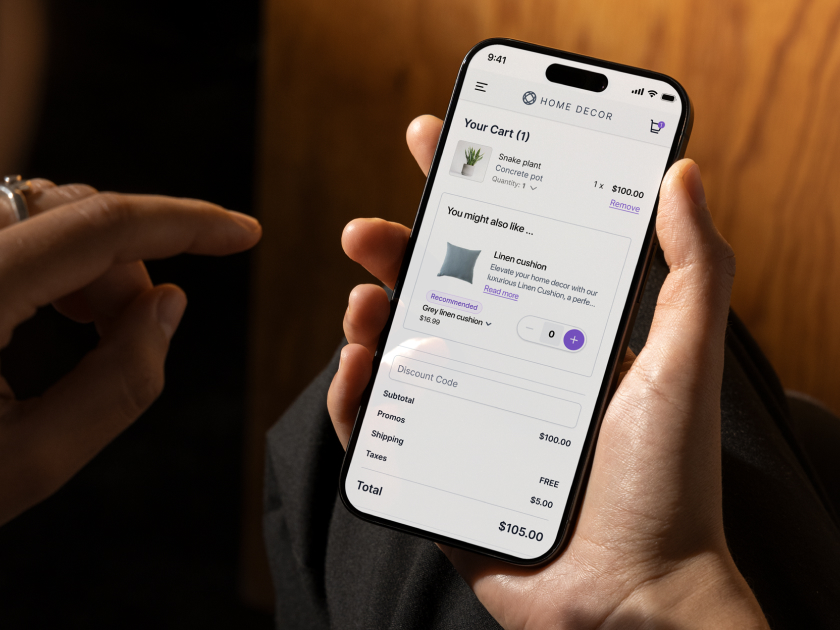
Erica explained how Rokt uses AI and machine learning to evaluate first-party signals and determine which offers are most relevant to customers in real time. Across the Transaction Moment™, this approach connects customers with brands and offers that complement their activity, including opportunities they may not have been actively searching for.
Importantly, relevance also means knowing when not to advertise. As Erica noted, there is "power in suppressing an ad experience" when an offer is not right for the customer.
Dylan reinforced this approach, explaining that Citi's goal is not to introduce advertising across every available property, but to use predictive intelligence to identify moments when a message can genuinely add value. For businesses developing commerce media networks, that distinction is critical to maintaining customer trust while creating new revenue opportunities.
Proving value beyond the impression
Relevant advertising creates an opportunity, but demonstrating incremental impact is what makes commerce media valuable to advertisers.
Elyse discussed how Lowe's works with a third-party measurement partner to evaluate advertising effectiveness across digital and in-store experiences. This gives advertisers a clearer view of how their investment drives business outcomes, rather than relying solely on traditional media metrics.
Citi has similarly invested in measurement capabilities that connect advertising exposure to transactions across merchants and categories. Dylan explained that the company spent several years refining its measurement approach before bringing its commerce media offering to market, underscoring the importance of proving performance from the outset.
While incrementality remains central, Elyse encouraged the industry to think more broadly about the business problems advertisers are trying to solve.
The next evolution is beyond incrementality. It's thinking about what are those business problems that we're solving for our advertisers, and then what are the suite of KPIs that we need to be prepared to report on,
Elyse explained.
Erica echoed that perspective, highlighting how Rokt measures performance beyond the initial conversion to understand long-term customer value.
We also focus not just on that first conversion event, but really thinking about and understanding what those downstream events are that can drive the most lifetime value for the customer,
Erica explained.
The conversation highlighted how a deeper understanding of customer intent, relevant experiences, and measurement that demonstrates meaningful business outcomes will shape the future of commerce media. As more industries enter the space, these capabilities will help businesses create greater value for customers and advertisers while building sustainable new revenue streams.


%20(1).webp)
.png)