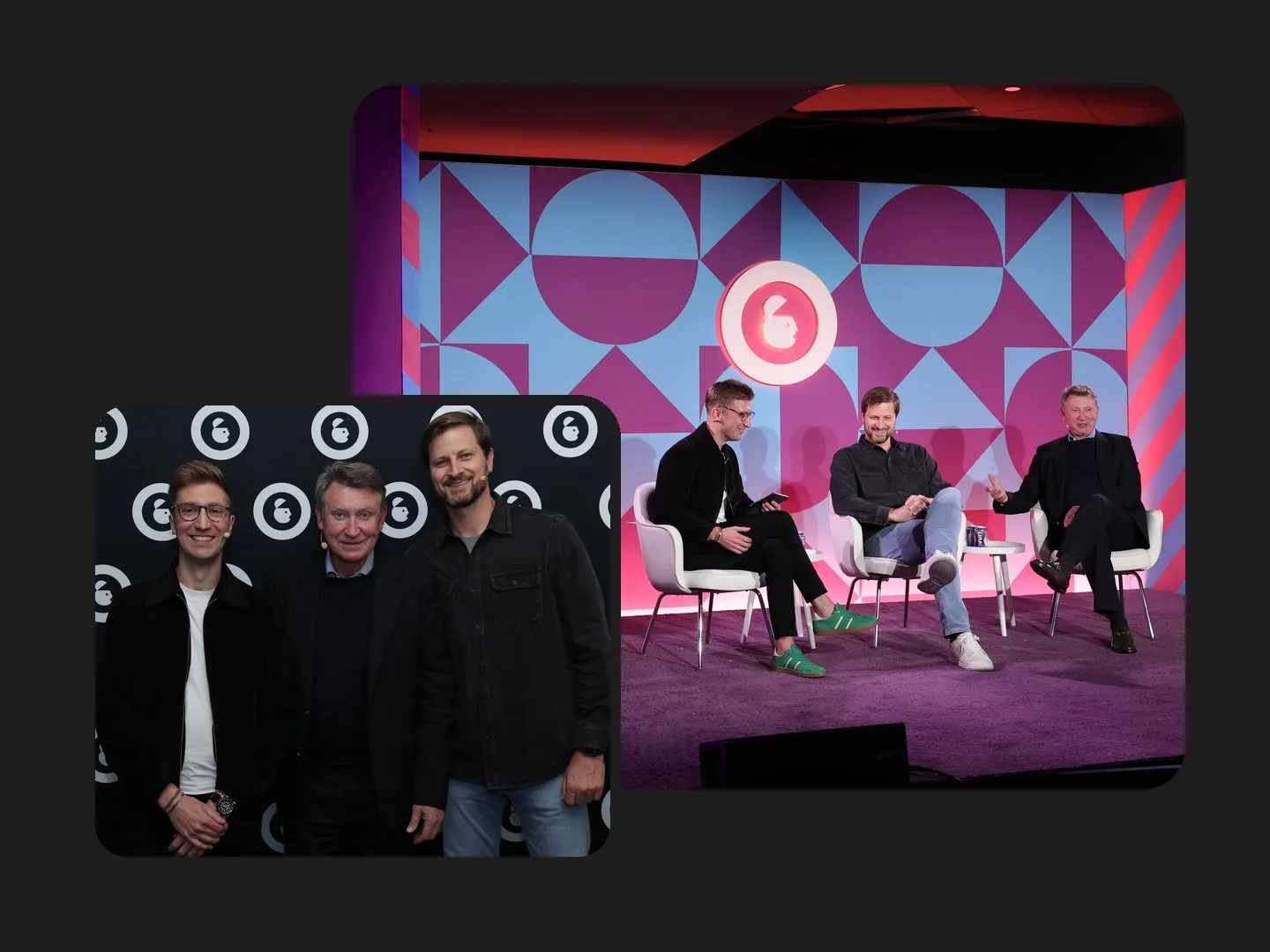
Auf der Advertising Week New York diskutierten Elyse Blouin von Lowe’s, Dylan Lonergan von Citi und Erica Few von Rokt mit Moderatorin Kerry Flynn von Axios über eine wachsende Chance für Unternehmen verschiedenster Branchen: Commerce Media. Während Die neue Einnahmequelle: Was Kundenaufmerksamkeit wirklich wert istuntersuchte das Panel, wie Unternehmen ihre Kundenbeziehungen, First-Party-Daten und Momente hoher Kaufabsicht nutzen können, um neue Umsatzmöglichkeiten zu schaffen.

Da sich Commerce Media über den traditionellen Einzelhandel hinaus ausweitet, finden Unternehmen immer mehr Wege, Marken in relevanten Momenten entlang der gesamten Customer Journey mit Kunden zu verbinden. Die Diskussion verdeutlichte, wie das Verständnis von Kundenabsichten, der Einsatz von KI-gestützter Entscheidungsfindung für relevante Erlebnisse und die Messung inkrementeller Ergebnisse Unternehmen dabei helfen können, einen größeren Mehrwert aus diesen Interaktionen zu erzielen.

Von Transaktionsdaten zum Verständnis dessen, was als Nächstes kommt

Commerce Media baut auf den Grundlagen von Retail Media auf, indem es Signale über Händler, Kategorien und Kundeninteraktionen hinweg nutzt, um besser zu verstehen, was Verbraucher als Nächstes benötigen könnten.

Für Citi bedeutet dies den Einsatz prädiktiver Transaktionsintelligenz, um Kaufmuster zu identifizieren, die nicht sofort offensichtlich sind. 

„Autokäufer haben eine höhere Wahrscheinlichkeit, neue Haustierbesitzer zu sein“, erklärte Dylan. „Wenn man an QSR denkt, ist es natürlich sinnvoll, einem Kunden, der regelmäßig bei einem QSR transagiert, entsprechende Angebote zu machen. Aber auch Fitnessbegeisterte sind Kunden mit einer hohen Affinität zu QSR.“

Lowe’s nutzt seine Kundeneinblicke anders. Elyse erläuterte, wie die Treueprogramme des Unternehmens dabei helfen, zwischen Heimwerkern, die größere Projekte planen, und professionellen Kunden, die häufiger wiederkehrende Käufe tätigen, zu unterscheiden. Das Verständnis dieser Verhaltensweisen ermöglicht es Lowe’s, relevante Inhalte, Inspirationen und Angebote entlang der gesamten Customer Journey bereitzustellen.

Die Daten, über die diese Unternehmen verfügen, sind umfangreich. Die schwierigere Frage ist, was man in diesem Moment damit macht – und genau hier kommt die Entscheidungsfindung ins Spiel. 

KI für Relevanz in Echtzeit nutzen

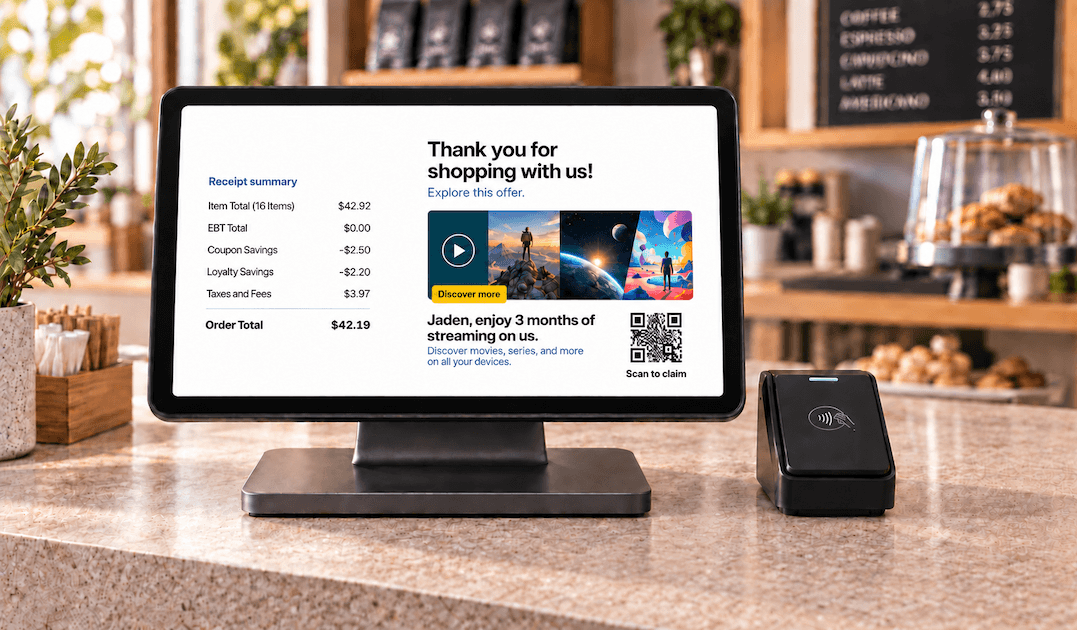
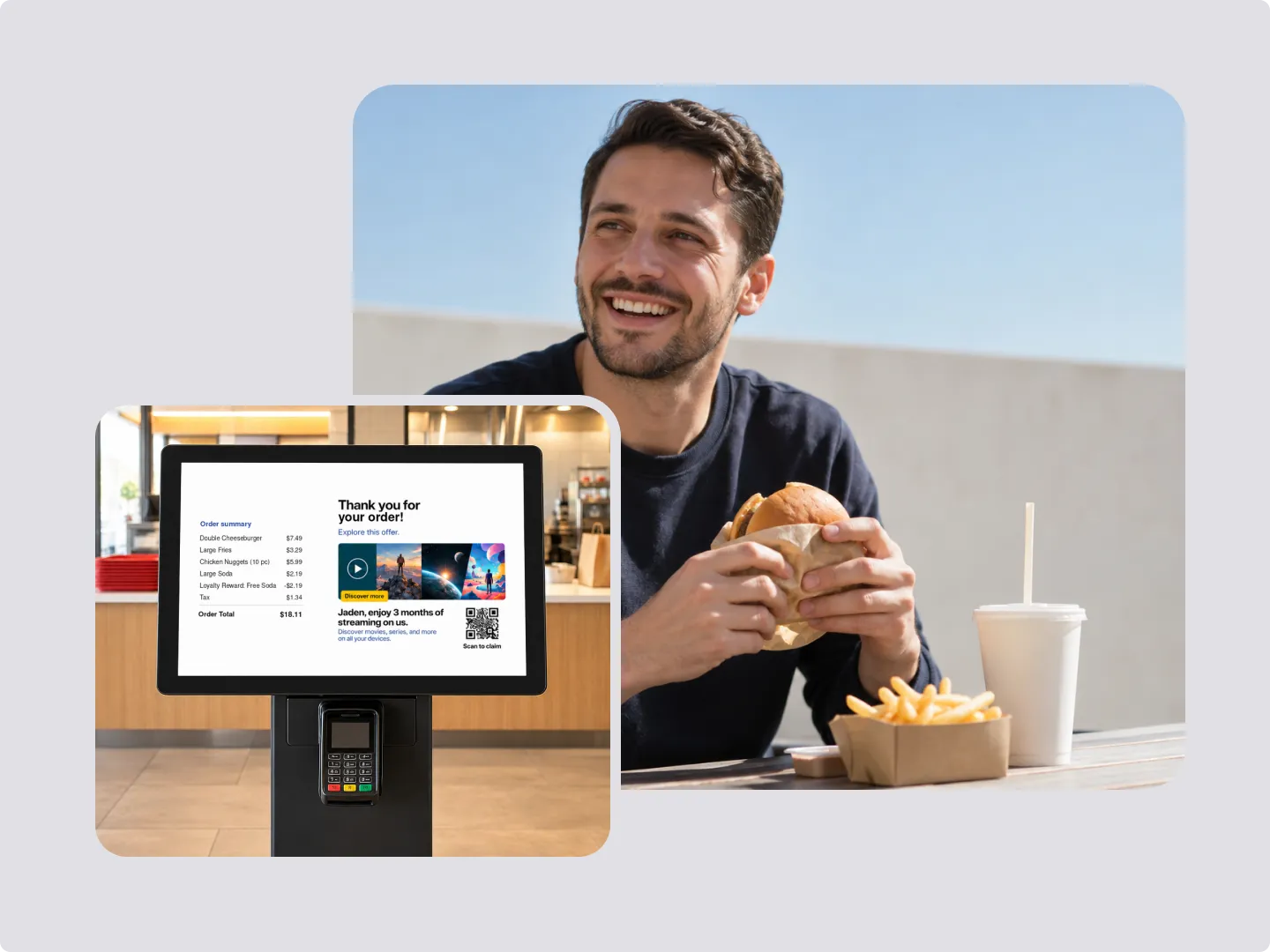
Erica erklärte, wie Rokt KI und maschinelles Lernen einsetzt, um First-Party-Signale auszuwerten und in Echtzeit zu bestimmen, welche Angebote für Kunden am relevantesten sind. Über den Transaction Moment™ hinweg verbindet dieser Ansatz Kunden mit Marken und Angeboten, die ihre Aktivitäten ergänzen – einschließlich Möglichkeiten, nach denen sie möglicherweise gar nicht aktiv gesucht haben.

Wichtig ist, dass Relevanz auch bedeutet zu wissen, wann man nicht werben sollte. Wie Erica anmerkte, liegt eine „Stärke darin, ein Werbeerlebnis zu unterdrücken“, wenn ein Angebot für den Kunden nicht passend ist.

Dylan bekräftigte diesen Ansatz und erklärte, dass es nicht das Ziel von Citi sei, Werbung auf jeder verfügbaren Plattform zu schalten, sondern prädiktive Intelligenz zu nutzen, um Momente zu identifizieren, in denen eine Botschaft einen echten Mehrwert bieten kann. Für Unternehmen, die Commerce-Media-Netzwerke aufbauen, ist diese Unterscheidung entscheidend, um das Kundenvertrauen zu wahren und gleichzeitig neue Umsatzmöglichkeiten zu schaffen.

Mehrwert über die Impression hinaus beweisen

Relevante Werbung schafft eine Chance, aber der Nachweis einer inkrementellen Wirkung ist das, was Commerce Media für Werbetreibende wertvoll macht.

Elyse erläuterte, wie Lowe’s mit einem externen Messpartner zusammenarbeitet, um die Werbewirksamkeit über digitale und stationäre Erlebnisse hinweg zu bewerten. Dies gibt Werbetreibenden einen klareren Einblick, wie ihre Investitionen Geschäftsergebnisse fördern, anstatt sich ausschließlich auf traditionelle Medienkennzahlen zu verlassen.

Citi hat in ähnlicher Weise in Messfunktionen investiert, die Werbekontakte mit Transaktionen über Händler und Kategorien hinweg verknüpfen. Dylan erklärte, dass das Unternehmen mehrere Jahre damit verbracht hat, seinen Messansatz zu verfeinern, bevor es sein Commerce-Media-Angebot auf den Markt brachte, was die Bedeutung des Leistungsnachweises von Anfang an unterstreicht.

Obwohl die Inkrementalität weiterhin von zentraler Bedeutung ist, ermutigte Elyse die Branche dazu, umfassender über die geschäftlichen Probleme nachzudenken, die Werbetreibende lösen wollen.

Die nächste Entwicklungsstufe geht über die Inkrementalität hinaus. Es geht darum, zu überlegen, welche geschäftlichen Probleme wir für unsere Werbetreibenden lösen und welche KPIs wir bereitstellen müssen, um darüber berichten zu können,

erklärte Elyse.

Erica schloss sich dieser Perspektive an und hob hervor, wie Rokt die Leistung über die erste Conversion hinaus misst, um den langfristigen Kundenwert zu verstehen.

Wir konzentrieren uns nicht nur auf das erste Conversion-Ereignis, sondern denken intensiv darüber nach und verstehen, welche nachgelagerten Ereignisse den größten Lifetime-Value für den Kunden erzielen können,
erklärte Erica.

Das Gespräch verdeutlichte, wie ein tieferes Verständnis der Kundenabsicht, relevante Erfahrungen und eine Messung, die aussagekräftige Geschäftsergebnisse aufzeigt, die Zukunft der Commerce-Medien prägen werden. Da immer mehr Branchen in diesen Bereich einsteigen, werden diese Fähigkeiten Unternehmen dabei helfen, einen größeren Mehrwert für Kunden und Werbetreibende zu schaffen und gleichzeitig nachhaltige neue Einnahmequellen aufzubauen.

Read the full panel transcript

The New Revenue Line: What Customer Attention Is Actually Worth

Advertising Week New York | October 6, 2026

Panelists: Elyse Blouin, Lowe's; Dylan Lonergan, Citi; Erica Brophy Few, Rokt

Moderator: Kerry Flynn, Axios

Kerry Flynn: Why are we all about commerce media these days? Dylan, you wanna kick us off?

Dylan Lonergan: Sure. Hi, everybody. I'm Dylan Lonergan, head of sales for Citi Commerce Media. I think what's fundamentally changed is the value proposition of retail media is so self-evident. The ability to own the shelf, tie back SKU-level data to transactions.

And I think commerce media really just expands that value proposition. I don't know that it's fundamentally changed. We've just realized the value of being able to measure retail media and media networks in general relative to maybe legacy media. And so now commerce media gives us the ability to look cross-retailer, cross-merchant, cross-category, and importantly, tie back to actual transactions.

Erica Brophy Few: I think one of the key differentiators when I think about the shift from retail media to commerce media is retail really starts with, or was born out of, the context of purchase, what's in the cart. Whereas commerce media is focused more on the context of the individual.

We've been able to zoom out more and understand the cross-merchant, cross-transaction view and really give the customer more dimensions.

Elyse Blouin: I think retail media really proved that there was value there from an advertiser perspective, and commerce media is broader. It's no longer just about the placements from a media perspective. It's no longer just about on-site placements, off-site placements.

Commerce media is really about being connected at all of the points of relevance for the customer. It's more full funnel. It's more about brand experiences and really making sure that the advertising is performant for the advertiser, but also beneficial for the customer.

Dylan Lonergan: I think what's so powerful about Citi is a couple of different things. One, 210 years of customer trust. And in that, we also have a breadth of data available to us beyond just a transaction.

One example that comes to mind is our ability to understand where customers are going to go next through things like predictive transactional intelligence.

Auto buyers have a higher propensity to be new pet owners, or if you think QSR, certainly if I transacted at a QSR very regularly, that makes sense to potentially serve a QSR customer. But workout enthusiasts are also high-propensity QSR customers.

Our ability to look more holistically at individuals at a one-to-one level, add breadth and depth of data, and then understand where folks are gonna go next, and then be able to provide them a high-intent moment.

Elyse Blouin: I would say that the customer is still at the core of what is important in retail media. The transaction data and the propensity data that Dylan talked about is definitely something that we need to lean into as an industry.

I think measurement is critical in this space, so making sure that we can communicate the benefit of what we're doing from an advertising perspective and prove that it's incremental is more and more important.

Erica Brophy Few: When I think about the evolution of Rokt, where we started was the more traditional retailer, that transaction moment where there is that add-to-cart flow. Where we now sit has really begun to shift to also include the likes of financial services partners.

With that shift, there's going to be more partners that become more applicable to what we do as a company, which is bringing that relevant ad experience to that moment when customers are completing their main transaction or main activity with that partner.

Elyse Blouin: One of the key things about Lowe's is that we have both a pro and a DIY loyalty program, and so we are able to determine if you are a homeowner or a pro customer.

The signals within those customers are very different. If you think about a homeowner, you're probably doing a lot of research, you're probably engaging in a bigger project.

On the pro side, they're shopping more frequently, and they're buying similar products. It's really important for us to understand those different patterns with different customers to engage with them differently.

Erica Brophy Few: When it comes to data, at Rokt, we have what we call the Rokt Brain, and it is really our secret sauce to how we drive relevance for customers.

We're able to take all the different data points that we have, based on first-party signals that we're getting from partners, the first-party signals that we're getting from advertisers, as well as those data points that we've gathered by understanding who is engaging with what placements.

Being able to take that all in and leverage the power of AI and machine learning to ultimately figure out what is the right combination in real time for that customer makes the ad work.

Dylan Lonergan: When you're sitting on so much data, as a media network, fundamentally, it has to start with the customer. And if we start with the customer, that enables us to discern what data is most relevant to that customer.

We're trying to marry adding value to cardholders and customers, because if we can do that, we can then deliver marketing outcomes on the back end.

One of the biggest things is we're not trying to create more advertising. We want to be highly relevant in adding value.

Erica Brophy Few: From a measurement standpoint, when you think about Rokt, we are a performance network at the end of the day. We are here to drive results for advertisers, leaning into whatever that downstream event is.

We also focus not just on that first conversion event, but really thinking about and understanding what those downstream events are that can drive the most lifetime value for the customer.

Elyse Blouin: We leverage a third-party accredited partner to build bespoke MTA and MMM models for each of our advertisers. We feel like that's important because we're not grading our own homework.

We also want to make sure that we are closing the loop on all of our ad placements, not just on-site, not just in digital, but our stores are really valuable and important resources to us as well.

Erica Brophy Few: One of the things that we find very important is it's not always the right time to show an ad. And part of that is also part of the experience where there's power in suppressing an ad experience just as there is the power of matching the right offer to the user.

Elyse Blouin: The next evolution is beyond incrementality. It's thinking about what are those business problems that we're solving for our advertisers, and then what are the suite of KPIs that we need to be prepared to report on.

Thinking beyond just incrementality, but thinking about customer lifetime value or new to brands and all of these different metrics that really tell the full story of what we're doing for the partner is going to be really important.

Erica Brophy Few: One of the things that we also prioritize is always going to be that customer value and customer experience.

When we're thinking about what is the right thing to show, it's not always what is the most valuable and what's going to drive the most revenue for the partner, but we're always putting the customer in that front seat decision where it's what is going to be the most valuable for them.

Dylan Lonergan: There's so many media networks today, and we all have a different view of the potential customer. I think what we're really focused on is ways we can create synergies across the ecosystem.

Working with Elyse, working with Erica and the Rokt team, working with the broader ecosystem to help reduce some of that friction and ideally continue to elevate the category.

Erica Brophy Few: One of the things that I'm excited for is the new shapes of the partnerships that we're able to take on and how we're starting to work with not just your standard retailer, but more of the tech players in the space and other businesses that have maybe a more B2B-to-B2C sort of relationship.

Elyse Blouin: The industry is still evolving. It's new. It's changing every day. And so what I get excited about is developing talent in the industry. What are the future leaders of retail media that we can work together to develop now?

Kerry Flynn: Thank you so much to my lovely panelists, and thank you all for listening. Enjoy the rest of Advertising Week.