


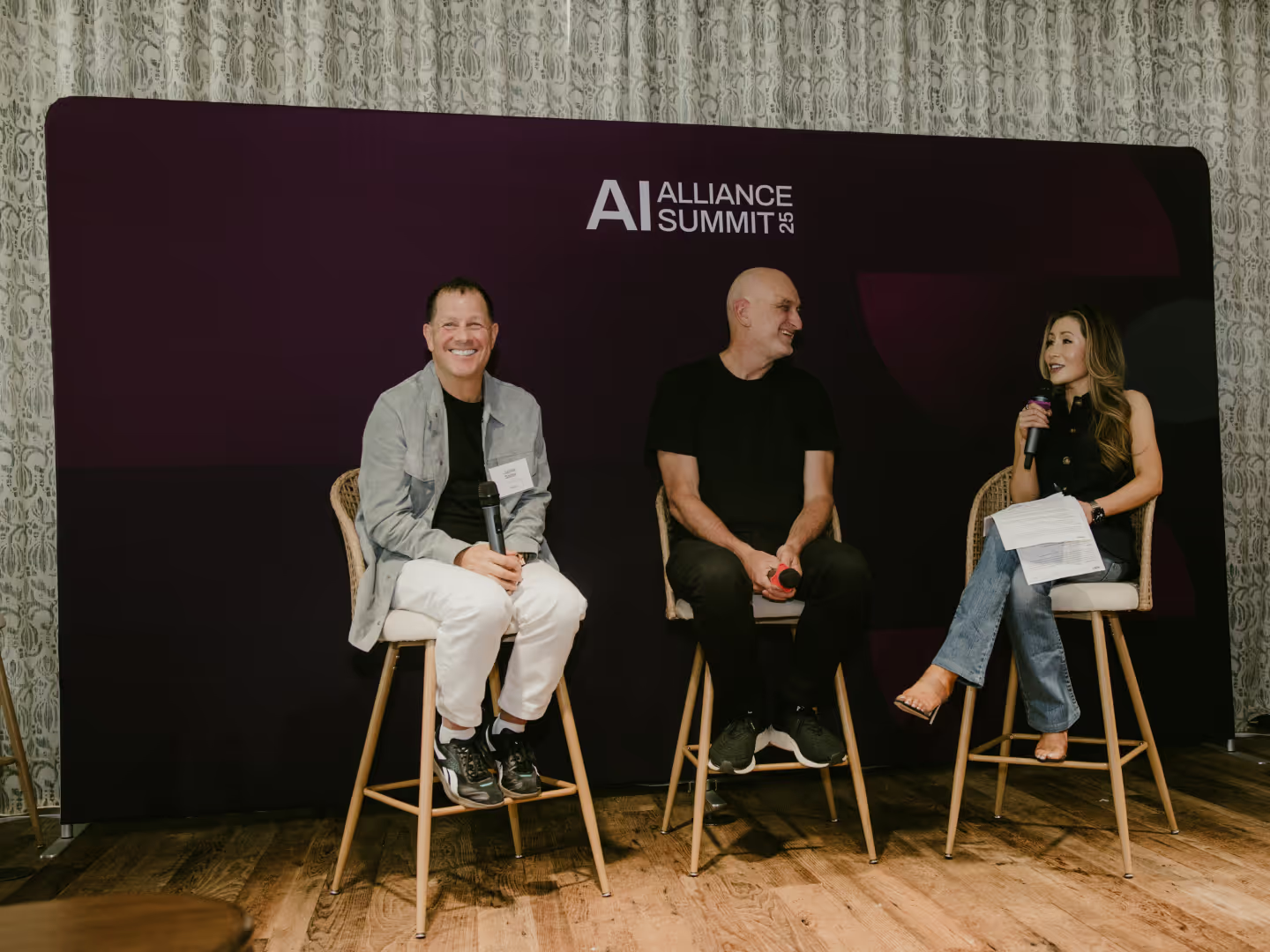
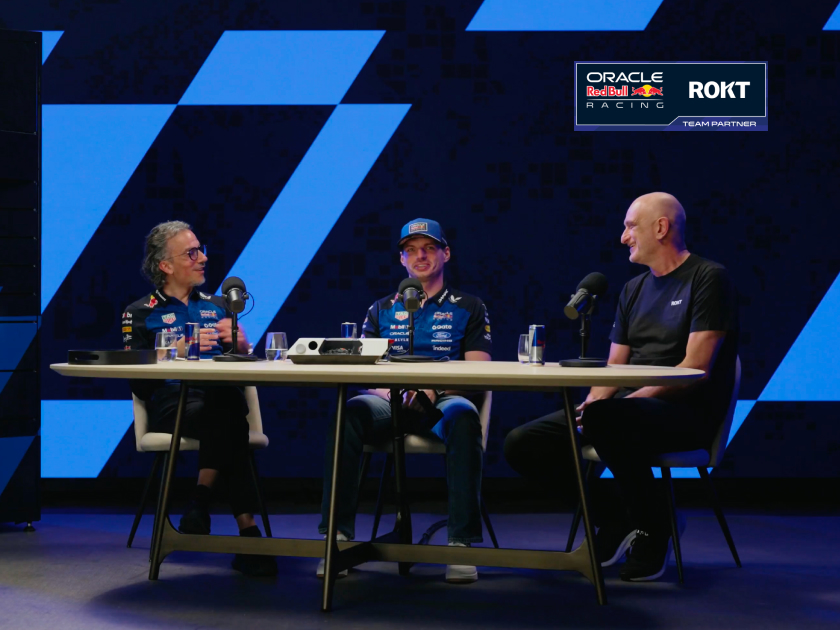
In Austin, ahead of the Formula 1 Grand Prix, Rokt and Authentic Brands Group (ABG) convened senior leaders across technology, retail, marketing, and media for the inaugural AI Alliance Summit.
While the Summit took place in 2025, the focus was firmly on what comes next. The closed-room conversations were designed to surface practical learnings leaders can apply as they shape AI strategy for 2026 and beyond.
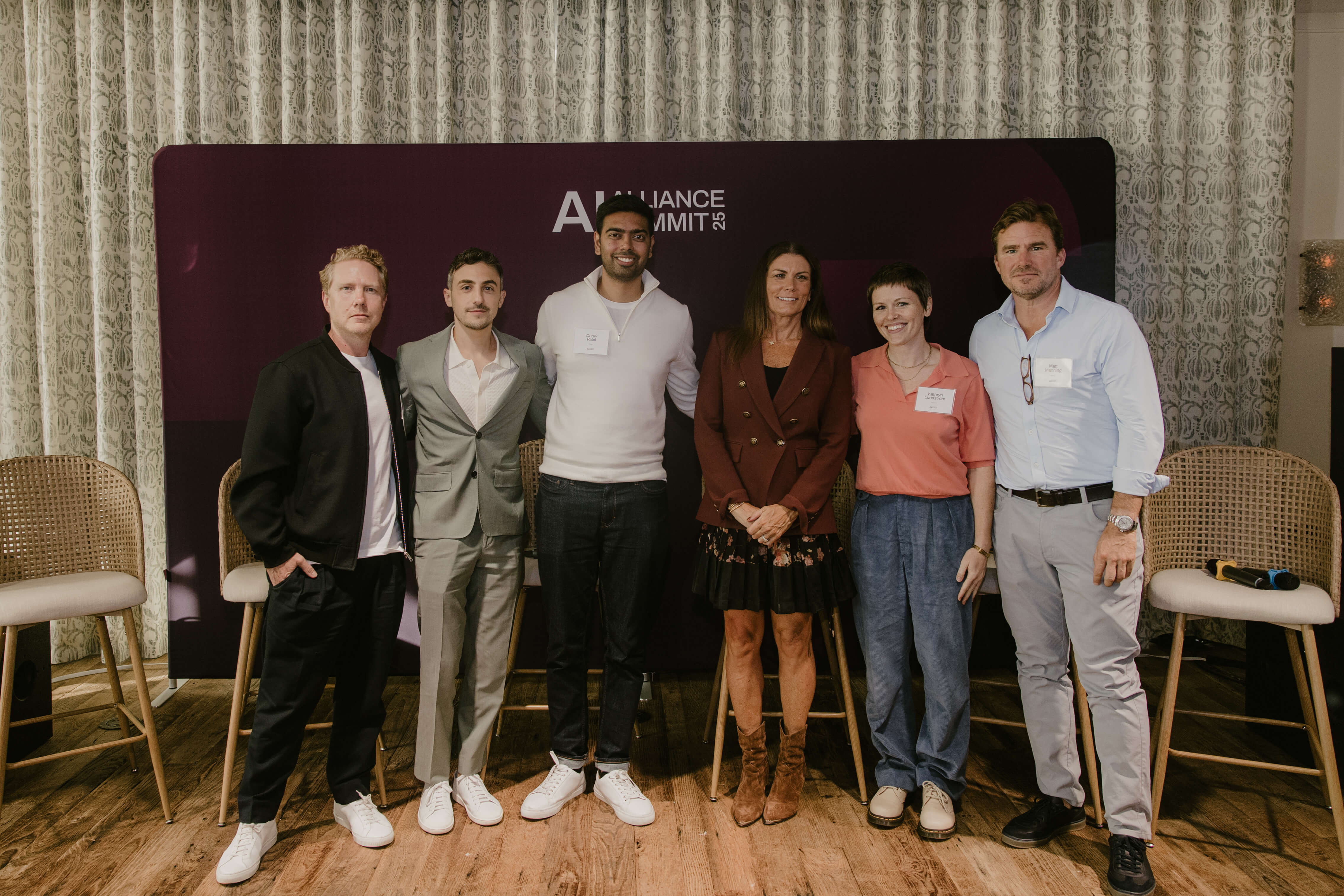
Participants included leaders and creators from across the ecosystem, including Bruce Buchanan (Rokt); Jamie Salter and Adam Kronengold (Authentic Brands Group); Mike Cannon-Brookes (Atlassian); David Droga (Accenture Song); Elizabeth Buchanan, Claire Southey, and Dhruv Patel (Rokt); Wesley ter Haar (Media.Monks); Marisa Thalberg (Catalyst Brands LLC); Ken Ohashi (Brooks Brothers); Jonathan Adashek (IBM); Matt Manning (MKTG); David Sykes (Klarna); and Andrea Fairchild (Visa). The program was hosted and moderated by Simon Curran (Rokt), Susan Li (Fox Business), and Kathryn Lundstrom (Adweek).
Across seven sessions with 15 speakers, the Summit centered on one core question leaders are carrying into the year ahead: how do you operationalize AI in a way that creates value, earns trust, and scales responsibly.
AI is not the future. It is the operating system of modern leadership.
Why we convened the AI Alliance Summit
The Summit was built for candor and pace: an intimate setting, a safe room for real perspectives, and an agenda focused on the “guts” of what’s changing inside organizations.
The room consisted of a curated list of guests representing 25 organizations, with a combined market cap of more than 650 billion US dollars and employing more than 1.3 million people. That diversity of scale and perspective shaped conversations that felt immediately applicable to 2026 planning cycles.
Discussions moved through operating models, monetization, CEO priorities, creativity, and the hard work of turning pilots into profit. The consistent undercurrent was execution. Leaders were less interested in what AI might do someday, and more focused on what they need to change now.
The timeline paradox leaders need to manage
One of the clearest threads across the day was how differently AI looks depending on the horizon you’re managing. In the near term, it can feel overhyped. Over a longer horizon, the impact becomes much harder to overstate.
That distinction matters because it shapes leadership behavior. Short-term hype often leads to fragmented experimentation. Long-term conviction drives infrastructure, operating changes, and investment decisions that compound over time.
Monetization is not a feature; it’s a leadership decision
The Summit treated monetization as a leadership responsibility, not a technical afterthought. The focus was on how organizations turn AI infrastructure into sustainable profitability without sacrificing integrity, trust, or momentum.
Across sessions, leaders explored how AI intersects with creative rights, brand value, and identity. Marisa Thalberg framed the challenge clearly, emphasizing that growth strategies break down when brands lose sight of what they stand for in the pursuit of efficiency.
That theme surfaced repeatedly. The business model questions are here now, and the organizations that pull ahead in 2026 will not be the ones with the most proofs of concept. They will be the ones that make disciplined choices about where AI creates durable value and where it does not.
From pilot to profit requires operational discipline
If AI is becoming a new operating model, then side projects aren’t enough.
In his opening remarks, Simon Curran referenced an estimate that only five percent of recent AI initiatives are delivering return on investment, even as some of the largest balance sheets in the world keep investing aggressively.
Claire Southey, Chief AI Officer at Rokt, reinforced the “execution gap” leaders are feeling: many initiatives don’t deliver commercial value because they stall at integration, measurement, and adoption.
One of the most practical takeaways: compress planning cycles. Southey shared advice from an academic she’d spoken with: leaders tend to “overplan and under iterate,” and AI rewards the opposite behavior. Shorter cycles, tighter feedback loops, and clearer ownership help teams move from experimentation to results.
Creativity is the scarcest resource to scale
As AI lowers the cost of producing content, differentiation shifts away from volume and toward judgment. Taste becomes strategy.
The Summit surfaced a shared concern about sameness. David Droga warned that when organizations default to averaged outputs and over-rely on research signals, originality erodes. The risk is not AI-generated work itself, but the conformity that can follow if leaders stop pushing for distinctive thinking.
Wesley ter Haar reinforced that creativity remains the multiplier. AI can accelerate execution, but humans remain accountable for ideas, perspective, and ambition. Heading into 2026, leaders emphasized that protecting creative standards is a strategic decision, not a cultural nice-to-have.
Trust is the multiplier for AI at scale
Trust surfaced repeatedly, whether the discussion focused on consumers, internal teams, or broader ecosystems.
Ken Ohashi underscored that as AI moves closer to customer-facing moments, expectations rise. Relevance must be earned, not assumed, and transparency becomes inseparable from value delivery.
This perspective closely mirrors how Rokt approaches the customer experience. The experience is the engine. Revenue and profit follow when relevance improves the experience, not when change is resisted or obscured.
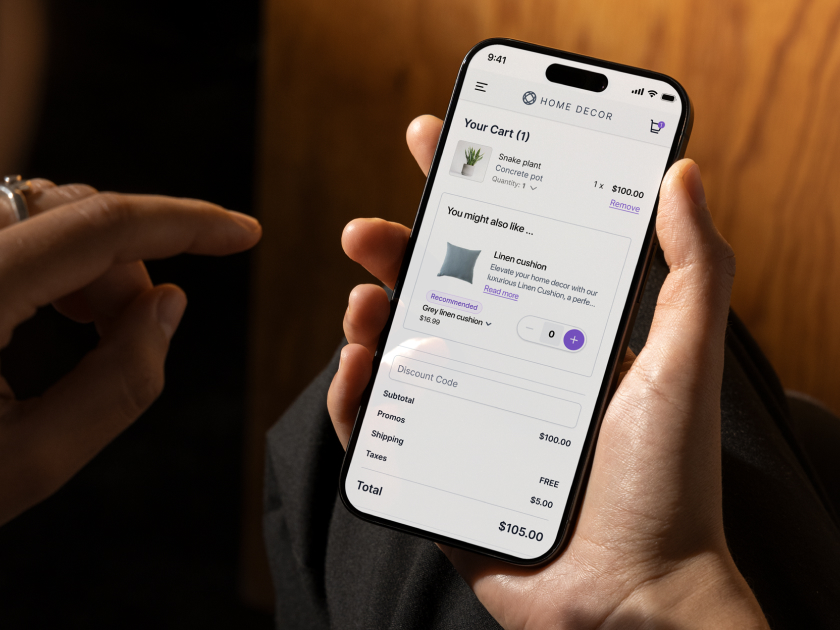
At Rokt, this philosophy lives in the Transaction Moment™. When customers are buying, relevance must earn attention in real time. That relevance depends on trust, clarity, and respect for the moment.
From services to agents: the next operating shift
One of the more forward-looking discussions focused on how AI is changing the nature of work itself.
Leaders explored a progression from traditional services, to hybrid workflows, to people-in-the-loop systems, and eventually to more agent-driven execution in defined contexts. The emphasis stayed practical. The question is not whether agentic systems appear, but how they are governed, where accountability sits, and what guardrails ensure safe and valuable outcomes.
A simple line captured the practical definition leaders can use: “An agent is a large language model with a job.”
For leadership teams, the takeaway is clear: the question isn’t whether agents show up in your workflows. It’s where they fit, who owns outcomes, and what guardrails make them safe and valuable.
Five takeaways for leaders
- Manage two horizons at once. Short-term hype is real. Long-term impact is bigger. Operate with both in mind.
- Treat monetization as an operating choice. Build the path from capability to profitability early, or pilots stay pilots.
- Compress the plan, expand the iteration. AI rewards teams that ship, learn, and repeat.
- Protect creativity from sameness. Conformity is the silent killer of differentiation in an AI world.
- Make trust non-negotiable. Transparency and control aren’t compliance tasks. They’re what makes scale possible.
The AI Alliance Summit reinforced a simple reality as leaders plan for 2026: AI leadership is defined by decisions, not tools.
The organizations that pull ahead will treat AI as an operating system, build relevance into real customer moments, and scale with trust at the core. This Summit set a clear standard for what that looks like in practice.
At Rokt, we will continue bringing leaders together to move this work forward, focused on the Transaction Moment™, when relevance matters most.


%20(1).webp)
.png)