

.avif)
Conectar ambos lados de los datos del cliente
Los equipos de comercio electrónico modernos viven en dos mundos.
En su almacén de datos en la nube, tiene la visión más profunda de cada cliente: historial de pedidos limpio, datos detallados del catálogo de productos, modelos de valor de por vida y predicciones de abandono. En su plataforma de datos de clientes, puede capturar eventos en tiempo real, resolver identidades y potenciar las audiencias que impulsan las ofertas, la personalización y los recorridos del ciclo de vida.
El CDP híbrido de Rokt mParticle consiste en usar ambos juntos, no en elegir entre ellos. Conecta las canalizaciones en tiempo real con su almacén de datos en la nube para que pueda activar los datos dondequiera que se encuentren y, al mismo tiempo, ofrecer la relevancia que los clientes esperan en el momento en que deciden comprar.
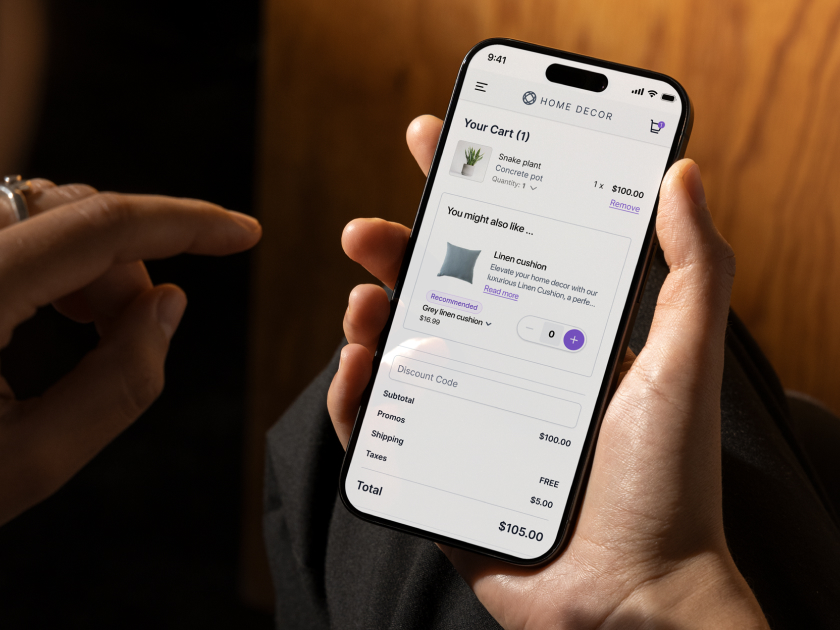
Esta versión lleva esa visión un paso más allá. Hace que los flujos de trabajo híbridos sean más precisos, consistentes y flexibles para los programas de comercio electrónico que se ejecutan todos los días, especialmente en torno al momento de la transacción, cuando la atención y la intención son máximas y cada mensaje tiene un impacto enorme en los ingresos.
Este hito presenta dos capacidades clave:
- La capacidad de reenviar perfiles de una audiencia componible y definida en el almacén que se enriquecen con detalles de un perfil de mParticle existente, cuando existe.
- La capacidad de hacer referencia a la membresía de la audiencia que admite composición dentro de las definiciones de audiencia de la plataforma, de modo que puedes combinar la lógica de almacén y la lógica en tiempo real en una sola audiencia.
En conjunto, estas funciones hacen que el híbrido pase de ser una idea arquitectónica a una forma práctica de ejecutar campañas que se mantengan al día con la forma en que los clientes realmente compran.
Las dos capacidades que fortalecen la tecnología híbrida
Contexto de perfil más profundo al momento de la activación
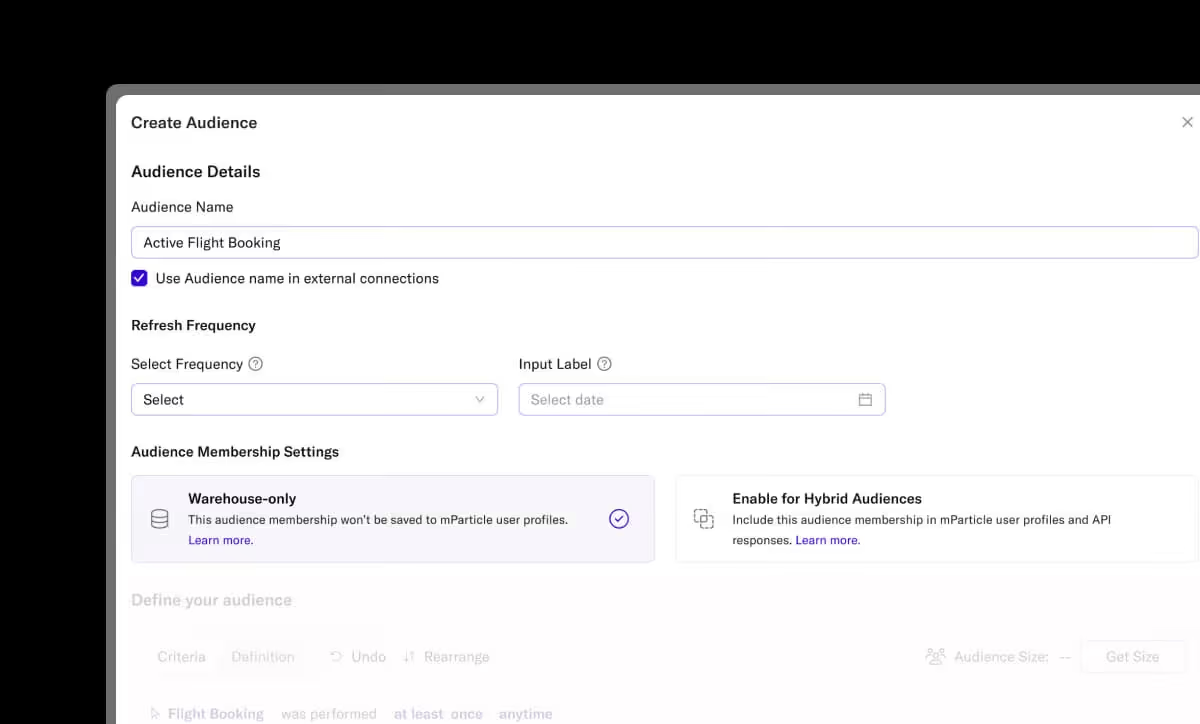
Las audiencias componibles te permiten definir segmentos directamente en la parte superior de las tablas del almacén. Esto es ideal para arquitecturas sin copias, modelos avanzados y listas de usuarios basadas en análisis. El desafío aparece en el momento de la activación. Si solo envías los campos que existen en el almacén, puedes perder partes importantes del contexto y la identidad en tiempo real que se encuentran dentro de mParticle.
Con esta versión, al activar una audiencia componible, mParticle puede enriquecer cada perfil con datos del perfil de mParticle correspondiente, si existe. Esto significa que la carga útil que reciben tus destinos puede incluir:
- Atributos del almacén, como el valor de por vida, las puntuaciones de abandono, la afinidad de las categorías o los umbrales de margen
- Atributos en tiempo real de mParticle, como suscripciones y permisos, identificadores de dispositivos y otros rasgos capturados fuera del almacén
En lugar de elegir entre la «verdad del almacén» y la «verdad en tiempo real», tienes ambas en un perfil único y coherente en el momento de la activación. Las herramientas posteriores muestran una imagen completa del comprador, lo que se traduce en una mejor segmentación, una supresión más segura y experiencias más relevantes al momento de pagar y más allá.
Membresía de audiencia compartida a través de métodos en tiempo real y componibles
La segunda función te permite usar la membresía de Composable Audience como un elemento básico de primera clase dentro de las audiencias integradas en la plataforma de mParticle.
En la práctica, eso significa que puede:
- Combina la membresía de Composable con eventos en vivo, propiedades y otros atributos nativos
- Reutilice la misma lógica definida por el almacén en flujos de trabajo de audiencia en tiempo real, programados y orientados a lotes
- Lleva los segmentos del almacén al mismo lugar en el que ya gestionas los viajes omnicanales y las experiencias de Transaction Moment
Aquí es donde Hybrid comienza a sentirse unificado. En lugar de mantener definiciones independientes en herramientas independientes, puede llevar la lógica del almacén a las audiencias que impulsan las experiencias in situ, los programas de correo electrónico y push y las ofertas que aparecen en el momento más importante.
Por qué esto es importante para las marcas de consumo empresariales
Estas capacidades no solo tienen que ver con la arquitectura. Cambian lo que puedes hacer en los programas de comercio electrónico diarios, desde configurar la experiencia al finalizar la compra hasta fortalecer la lealtad a largo plazo.
Elegibilidad dinámica que se mantiene al día con el comportamiento
Las reglas de elegibilidad son la base de muchas experiencias transaccionales:
- La elegibilidad para ascender o recibir beneficios está vinculada al nivel de fidelidad
- Ventanas de acceso anticipado o preventa para usuarios de alto valor
- Exenciones de tarifas, ofertas de paquetes o límites de gasto
La lógica detrás de estos programas suele depender del historial completo de compras, reservas o cuentas que se encuentre en el almacén. Con la activación híbrida:
- Usted define la lógica de elegibilidad en su almacén, donde tiene el panorama completo
- Expones a la audiencia del almacén en mParticle como una audiencia componible
- Haces referencia a esa membresía de Composable dentro de una audiencia en tiempo real, junto con eventos en vivo, como actualizaciones de carritos, pasos de reserva o inicios de sesión
A medida que los usuarios navegan, reservan, agregan artículos a un carrito o completan una compra, su elegibilidad puede actualizarse de forma inmediata y precisa. Las ofertas que ven reflejan tanto el valor a largo plazo como lo que están haciendo. ahora mismo, en lugar de esperar a que se reconstruya la siguiente lista. Esto le ayuda a ofrecer el incentivo adecuado en el momento exacto, a la vez que protege el margen y evita descuentos excesivos.
Supresión más fiable en todos los canales
Los problemas de supresión suelen ser visibles para los clientes cuando los sistemas no están sincronizados, por ejemplo:
- Retargeting que continúa después de que un usuario ya haya realizado una conversión en otro canal
La activación híbrida mejora la supresión al unificar:
- Un mensaje de recuperación o reactivación que se envía justo después de una reserva, compra o acción en la cuenta
- La impresión de un anuncio se ha enviado a una persona que se ha dado de baja recientemente o se ha quejado
- Conducta en tiempo real, como compras, reservas, exclusiones y señales de quejas
- Cohortes definidas por el almacén, como los segmentos VIP, los perfiles con riesgo de abandono y los clientes con altas tasas de reembolso
Como las audiencias en tiempo real y las que admiten composición pueden hacer referencia entre sí, ya no necesitas una lógica de supresión independiente en cada herramienta. En cambio, obtiene una visión única y coherente de quién debe y quién no debe recibir un mensaje determinado, lo que mantiene las comunicaciones alineadas con las expectativas de los clientes y protege el rendimiento.
Personalización más relevante en todos los puntos de contacto
La personalización más sólida combina lo que un cliente está haciendo ahora con todo lo que sabes sobre él a lo largo del tiempo.
Con audiencias híbridas:
- Las experiencias in situ y en la aplicación pueden responder a señales en tiempo real, como las páginas visitadas, los artículos añadidos al carrito o el contexto de la sesión actual.
- Al mismo tiempo, esas experiencias pueden verse limitadas o enriquecidas por los atributos del almacén, como las afinidades entre las categorías, la sensibilidad a los descuentos o el valor previsto.
Por ejemplo, podrías:
- Muestre recomendaciones diferentes a los clientes de alto valor que a los que visitan por primera vez, incluso cuando naveguen por la misma categoría.
- Ofrezca envíos gratuitos de forma estratégica basándose en el margen de beneficio y el comportamiento histórico, no solo en el total del carrito.
- Ofrezca incentivos de alto costo a los segmentos que, según sus modelos de almacén, corren el riesgo de perder.
Los destinos reciben perfiles enriquecidos que incluyen tanto el contexto en tiempo real como el de almacén, lo que les permite tomar decisiones más matizadas sin código adicional. El resultado es una personalización que se siente más inteligente, no más ruidosa.
Convirtiendo lo híbrido de un concepto a uno predeterminado
El mercado está convergiendo en torno a una idea sencilla: su almacén debe albergar los datos de sus clientes más profundos y completos, y su CDP debe ser la capa operativa que haga que esos datos se puedan utilizar en tiempo real, especialmente durante el Transaction Moment®, cuando la atención, la confianza y la intención están en su punto máximo.
La arquitectura más eficaz no es una o la otra, sino que ambas funcionan juntas.
Para las marcas de consumo empresariales, esto se traduce en beneficios prácticos: segmentación y supresión más precisas, audiencias más consistentes en todos los canales y formas más potentes y flexibles de hacer realidad su estrategia de clientes, sin añadir nuevas herramientas ni duplicar datos.
La CDP híbrida deja de ser solo un diagrama arquitectónico y, en cambio, se convierte en la nueva configuración predeterminada para reunir los datos correctos en el momento adecuado para cada cliente, lo que permite obtener más relevancia y mayores ingresos de cada transacción.
%20(1).avif)