



En las conversaciones con los equipos de marketing empresarial, siempre surge un tema: cada inversión tiene que ganarse su lugar.
La pérdida de señal ha hecho que el rendimiento sea más difícil de mantener. Los entornos de datos son más complejos que nunca. Los equipos ejecutivos esperan un rendimiento mensurable de cada dólar incremental. En ese entorno, ampliar un contrato sin pruebas claras es a la vez difícil y arriesgado.
Sin embargo, muchos modelos de precios y paquetes de SaaS siguen pidiendo a los clientes que hagan exactamente eso.
En todo el panorama de CDP, las capacidades que impulsan las mejoras de rendimiento más significativas a menudo se limitan a niveles de precios más altos o a pruebas a corto plazo. Se pide a los equipos que aumenten su inversión antes de validar el impacto en su propio entorno, o que evalúen las potentes capacidades dentro de plazos que no reflejen el rendimiento real de las estrategias de audiencia.
Esa secuencia coloca a los clientes en una posición difícil. Los obligan a justificar el gasto sin datos sobre los resultados. Introduce fricciones con las finanzas y las adquisiciones. Y convierte lo que debería ser una decisión de desempeño en una negociación sobre el riesgo.
Creemos que debería funcionar de manera diferente.
Si una capacidad tiene el potencial de generar un impacto medible, los clientes deberían poder realmente utilizar durante el tiempo suficiente para ver ese impacto con claridad. La adopción debe seguir a la evidencia, no precederla.
Ese principio guía la forma en que ampliamos el acceso a dos de nuestras capacidades más impactantes: Match Boost y Audiencias componibles.
En lugar de limitarlos a niveles de contrato más altos o períodos de evaluación cortos, permitimos a los clientes aplicarlos en los flujos de trabajo diarios con barreras claras. Los equipos pueden activarlos en campañas en vivo, medir los resultados a lo largo de un ciclo de rendimiento completo y determinar el nivel correcto de inversión en función de los resultados observados.
El diseño comercial debe respaldar la forma en que los equipos empresariales realmente toman decisiones. Eso significa obtener resultados antes de pedir la expansión.
¿Por qué los modelos tradicionales crean fricción?
Los ensayos con plazos limitados y la estricta organización en niveles simplifican el embalaje. No reflejan cómo se desarrollan las mejoras de rendimiento.
La estrategia de audiencia no funciona en un reloj de 30 días. Los equipos definen los segmentos, los activan en los canales propios y de pago, miden los resultados posteriores y los refinan con el tiempo. Cuando el acceso finaliza antes de que se complete ese ciclo, la evaluación es parcial por definición.
La función Gating crea un desafío diferente. Se requiere un compromiso más amplio antes de que las partes interesadas se alineen en torno a las pruebas. En las grandes organizaciones, eso a menudo significa navegar por el escrutinio de las adquisiciones y el presupuesto sin datos de resultados basados en el uso y los resultados reales.
Cuando la evidencia viene después del compromiso, la expansión parece especulativa. Cuando la evidencia es lo primero, la expansión se convierte en una continuación lógica del desempeño.
How be this in the Practice
Match Boost y Composable Audiences ilustran por qué esto es importante.
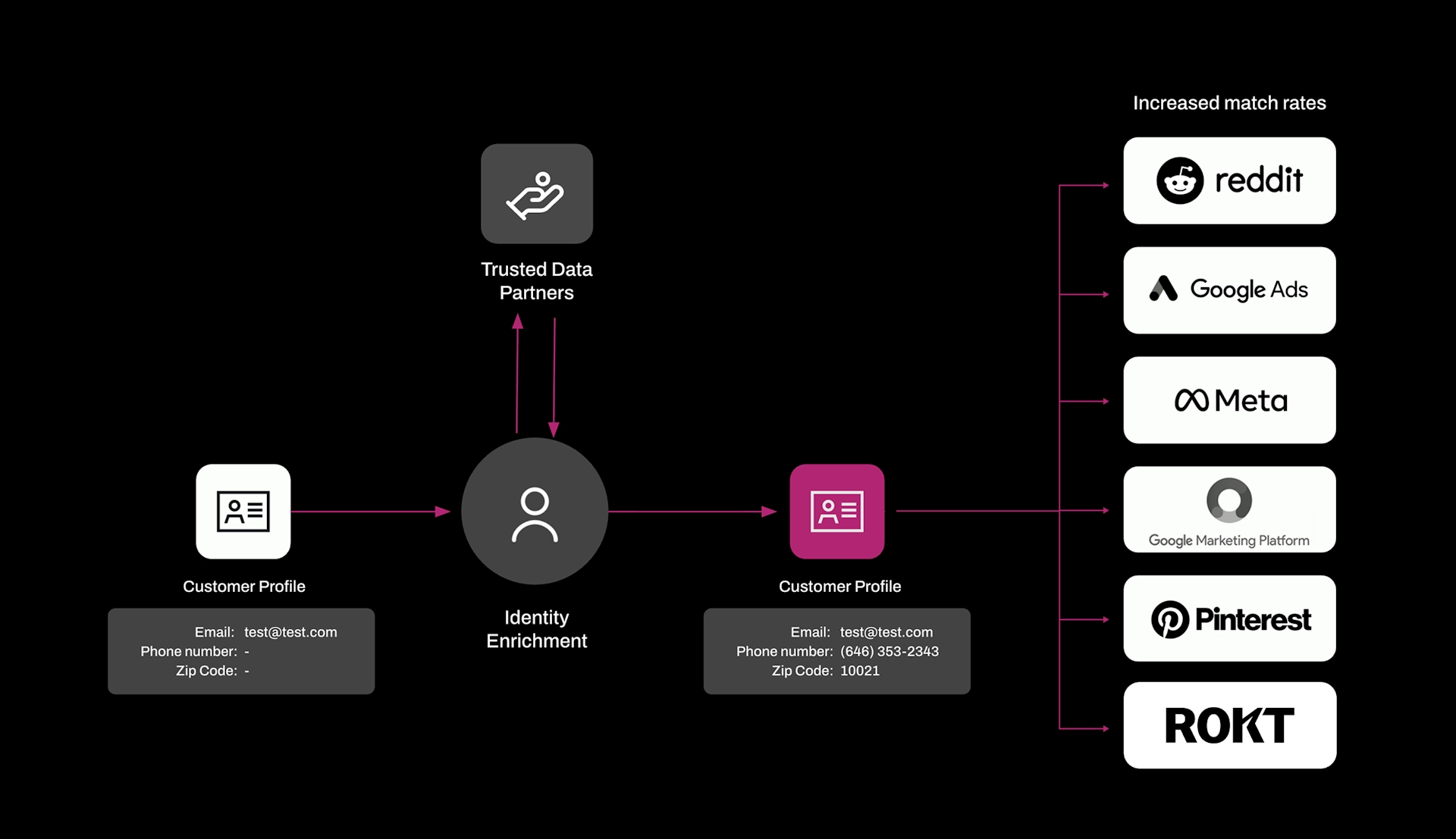
Match Boost: valida el rendimiento a través de una mayor fidelidad en las partidas
La disminución de las tasas de coincidencia afecta directamente a la eficiencia de los medios de pago. La baja fidelidad de las coincidencias limita el alcance, limita la optimización y reduce el retorno de la inversión publicitaria.
Match Boost mejora las tasas de coincidencia en los destinos de pago sin necesidad de que los equipos rediseñen su configuración. Al fortalecer la fidelidad de la señal, aumenta la porción direccionable de las audiencias activadas y favorece un mejor rendimiento posterior. En una implementación empresarial, la mejora de la fidelidad de los partidos duplicó con creces el tamaño de la audiencia accesible en una plataforma de pago clave y se tradujo en un aumento sustancial de la eficiencia, como una disminución del CPM de casi la mitad y una reducción del CPC de casi un 80% en comparación con el período anterior.
El impacto es visible en los resultados de la campaña, incluidas las mejoras en el alcance, la eficiencia de las conversiones y el ROAS que se basan en una activación sostenida. Ese tipo de mejora no se puede entender completamente en un período de prueba estrecho. Necesita condiciones y tiempo de producción.
El acceso estructurado permite a los clientes evaluar el rendimiento en el contexto que importa: sus propias campañas, sus propios datos, sus propios puntos de referencia.
Audiencias componibles: llevar la estrategia híbrida a la práctica
Los entornos de datos empresariales ya son híbridos. La profundidad histórica reside en el almacén. Las señales en tiempo real impulsan la activación. La mayoría de los equipos confían en ambos.
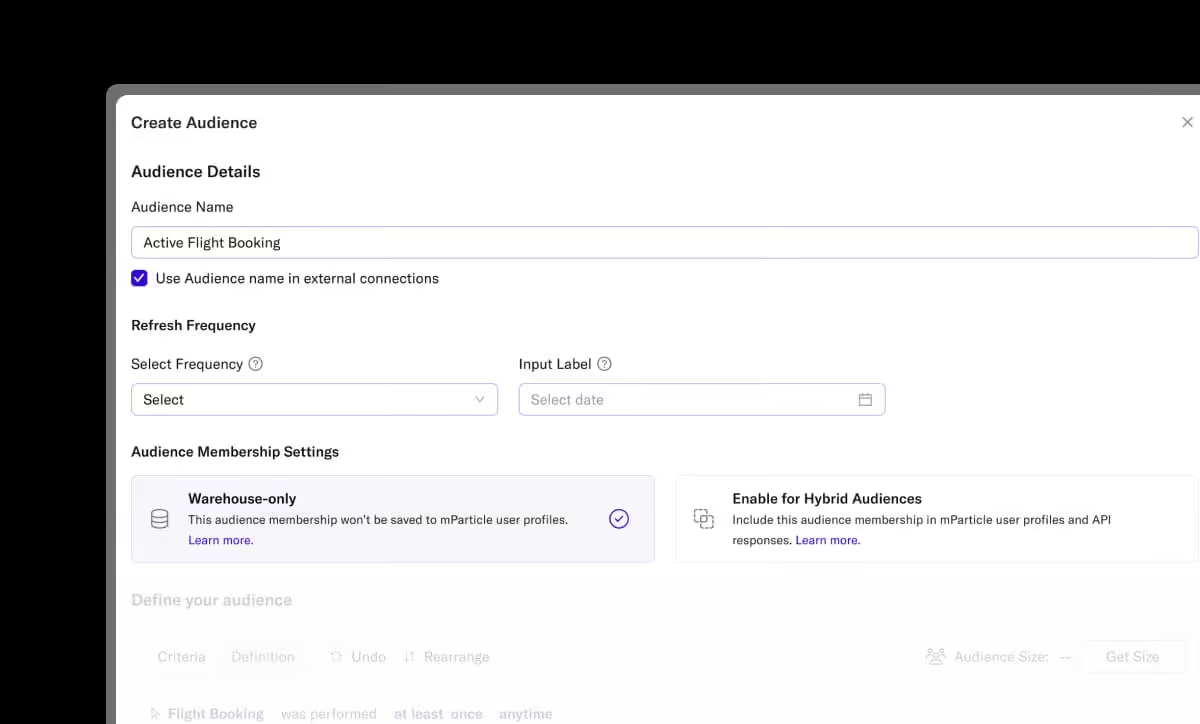
Composable Audiences brinda a los equipos de marketing y datos un control estructurado en ese entorno. Los equipos pueden definir las audiencias directamente a partir de los datos del almacén e incorporar señales en tiempo real cuando la capacidad de respuesta sea importante. El resultado es una estrategia coordinada que refleja cómo funcionan las arquitecturas empresariales en la actualidad.
Al ampliar el acceso a las audiencias componibles, los clientes pueden validar las estrategias de audiencia híbridas dentro de su oferta actual. Pueden aplicar lógica avanzada, aprovechar conjuntos de datos más ricos y mantener los estándares de gobierno sin duplicar los datos ni reestructurar los flujos de trabajo.
La estrategia híbrida ofrece el mayor valor cuando se aplica en producción, no cuando se evalúa de forma aislada.
Desarrollar la expansión sobre la base de la evidencia
Nuestra responsabilidad como socios no es solo ofrecer capacidades poderosas. Se trata de crear las condiciones en las que los clientes puedan evaluarlos con confianza.
Los equipos empresariales ampliarán su inversión cuando el impacto cuantificable reduzca la incertidumbre y genere consenso interno. Avanzan cuando el rendimiento es visible y defendible.
Al hacer que las capacidades de alto impacto se puedan utilizar en los flujos de trabajo diarios, con barreras en lugar de plazos artificiales, estamos alineando el acceso con la forma en que las organizaciones empresariales realmente toman decisiones.
Cuando los clientes pueden demostrar el valor en su propio entorno, la expansión deja de ser un salto. Se convierte en el siguiente paso basado en la evidencia.


.png)