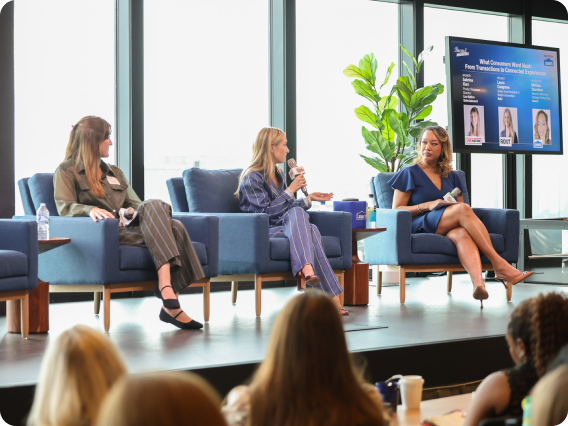
The following is a transcript of the panel discussion referenced above, "What Consumers Want Next: From Transactions to Connected Experiences," included here for reference and searchability. It has been lightly edited for clarity, removing filler words, false starts, and cross-talk, without changing the substance of what was said. A small number of turns where the source audio made the speaker unclear are labeled "Panelist" rather than attributed to a specific individual.
Host: Sabrina Karr, Senior Director for Live Nation. Laura Cosgrove, SVP of Retail Partnerships at Rokt. Today's session is moderated by Melissa Saunders, Director of Loyalty Partnerships at Lowe's. Welcome, guys.
Melissa Saunders: Thank you. Good afternoon, everybody. Every interaction between a brand and a customer is an opportunity to create something more than a transaction, so I thought it was fitting to tell a quick story about a time I recently felt like more than a transaction, and what brand made me feel that way. Everyone who knows me knows I'll die on a hill for a good brownie, and somehow Chick-fil-A figured that out. Every so often when I open the app there's a free brownie reward, and it keeps me coming back because I think the more I go, the more brownies they'll deposit into my rewards. Laura, Sabrina, share an example of when a brand made you feel like more than a transaction.
Panelist: I love this question. I live in New York City, and recently with the Knicks getting to the NBA finals, it felt like we were living in a fairy tale. One of our partners is Fanatics, and I'm incredibly loyal to them, so naturally I went to Fanatics to kit out my entire family, head to toe. Even my one-and-a-half-year-old got tiny Knicks t-shirts. It felt like a moment in time.
Panelist: I love that. Mine's not quite as touching, but I'll go with Alo Yoga. They have a free workout app, and those instructors are basically my parasocial relationship trainers. I show up for them every day, it's how I work out, and of course I'm wearing Alo gear when I do it. It's become embedded into my whole fitness routine.
Melissa Saunders: This is exactly what we're talking about today. Customers have more choice than ever, higher expectations, and they increasingly compare every experience to the best digital interactions they're having. Sabrina, from your perspective, how have customer expectations evolved?
Sabrina Karr: We've moved from a world of expectations of speed and convenience to relevance. It's important to know the customer who's purchasing and show them only what they care about, nothing more. At Live Nation we produce 55,000 concerts a year for 159 million fans, and all of them are different. We have to think about who this fan is and what they're looking for out of the night beyond just the show. Maybe it's the fashion icon already planning their head-to-toe outfit. That's a very different customer from the parent taking their kids and their kids' friends for a night out, thinking about parking and keeping the kids entertained. That's different again from the group of friends who picked a certain tour date because they're turning it into a summer trip. They're all buying concert tickets, but each of them needs something different out of that end-to-end journey.
Melissa Saunders: What's a good example of that extra thing you serve up to make the experience more connected?
Sabrina Karr: We encourage social sharing, for fans whose motivator is being the social butterfly. We also have a lot of programming with our partners, and I'll plug the partnership we have together early: going back to the parent persona, Lowe's has put on a really exciting ticket access program with us. If you buy a ticket, you can bring your 12-year-old or under for free, at many of our amphitheaters over the course of the summer. If we can help empower a great family night out, what else can we build around getting ready for that event, or reliving it afterward, that brings our two brands together and makes Lowe's the hero of that family moment?
Melissa Saunders: Since you brought it up, I'll add: not only do we provide the two-for-one ticket, but once you're at the amphitheater, MyLowe's Rewards members also get exclusive access to free lawn chair rentals. There's a tailgate experience at certain venues too, extending the experience both pre- and post-show, because we know families love spending time together.
Sabrina Karr: And we love that, because you're providing something fans actually want when they arrive for a show. What makes more sense than helping people beat traffic, get to the show early, and keep their kids entertained with a tailgate?
Panelist: I actually had the benefit of attending one, and I was amazed. People make a whole thing out of concert day. They show up for the tailgate hours in advance, stay through the whole thing, play games, go into the show, and afterward come right back to the tailgate space. That's proof that this is something customers are really craving.
(An audience member asked an impromptu question about how the Lowe's/Live Nation partnership came together.)
Laura Cosgrove: There's not a simple answer. This partnership has been years in the making. Lowe's and Live Nation had worked together on smaller one-off things before, and at some point the right group of people came together and said, we have an opportunity to build something much bigger. It was really born out of Lowe's need to reach younger homeowners, and one way to do that is through a key passion point: music. What better partner for that than Live Nation? Live Nation isn't just selling a ticket, it's selling a memory and a whole day out.
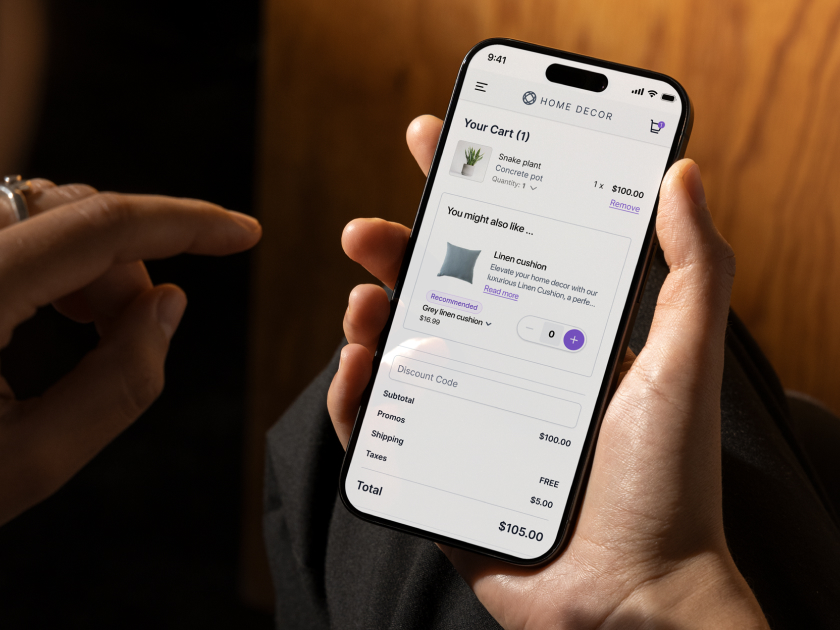
To explain how Rokt fits in: we're an ecommerce relevance technology, and we sit as the data orchestration layer for Live Nation, helping bring their partnerships to life in a customer-first way. For example: I'm Laura, living in New York, and I'm buying tickets to a show in LA. We can see my billing address is in New York, but I'm buying tickets in LA, so I have intent to travel. In that moment you should be showing me a relevant offer from a travel partner, hotels, flights, creating that end-to-end experience. That's how you execute on ideas that would otherwise seem impossible, because two ticketing and travel platforms don't want to share data directly with each other. We sit as that trusted intermediary. Rokt helps enable one-to-one personalization, so we know which fan cares about getting to the tailgate early, and we're not targeting the fan who's actually still in the merch line after the show started. Those are different customers.
Melissa Saunders: Since customers now expect these connected experiences, how should brands evolve to serve customers as a whole person rather than just completing a transaction?
Sabrina Karr: The Lowe's example is a great one, it's the kids-first, family-oriented value proposition, acknowledging what else is part of this customer's life besides the tickets they bought. We also let fans link loyalty program memberships to Ticketmaster, so a fan can earn and redeem points from a travel rewards partner on their ticket purchase. The brand is your hero helping you afford the ticket, but you're also earning points you can use for a trip that isn't necessarily related to the concert. We're helping push the next thing that user wants to do, whether it's about the concert or not.
Laura Cosgrove: This is exactly what we work on every day with Live Nation, serving the whole customer. It's about listening to the data the customer is giving you, piecing it together, understanding the intent behind the purchase, so you can round out that picture with partnerships and cross-sells.
Melissa Saunders: Let's pivot to personalization. Laura, where's the line between personalization that builds trust and personalization that just creates noise?
Laura Cosgrove: This is a huge challenge, because brands have so many competing priorities: loyalty program, credit card, loyalty-plus tier, partnerships, and all of them feel important all the time. If it's not relevant to the customer, it's noise, even if you're only showing them one thing. Here's an example: I was talking to a retailer recently that runs its own credit card program, and I explained that if someone isn't creditworthy, you shouldn't put the credit card in front of them, because if they apply and get declined, that's a bad experience. In some cases, the right answer is to not show them anything at all. We're working through exactly this with a very large beauty retailer, figuring out when to show the credit card, and when to show something else instead, a buy-now-pay-later option, a digital wallet, one-click checkout, a relevant upsell.
Melissa Saunders: Sabrina, same question for you.
Sabrina Karr: When we're exploring which brands to partner with, we make sure the program actually enhances the fan experience. The Lowe's tailgate is a great example, it's not an account link or a ticketing-platform activation, it's a real-world experience. The number one thing fans care about is getting to the show, and that starts with getting the ticket. One of our newest programs is Spotify Reserve, recently launched in the US: fans get early ticket access, but who gets invited is based on their listening history, who they're actually a fan of, rather than a blanket invite to everyone.
Sabrina Karr: The reason some fans don't see certain offers is we wait for the show or artist they care about most before inviting them. It's a cool way to make customers feel seen and rewarded for what they actually care about, without crowding their inbox with things they don't want. It comes down to segmentation.
Melissa Saunders: Every partnership promises incremental value, but not all of them improve the customer experience. How do you decide which partnerships are truly additive versus just another monetization play? Laura, we'll start with you.
Laura Cosgrove: Start with the customer, that's always the mantra to come back to. It's easy to chase quick wins, but if a partnership doesn't serve the customer, it puts your lifetime value and your brand at risk. Instead, you want to give customers choice, but use a smart decisioning layer to determine which option goes to which customer. That's what we bring to Live Nation with their PayPal partnership: is this person an existing PayPal customer who should see an offer that serves them as one, or are they not on PayPal, in which case we can convince them to sign up with an exclusive offer? It's not just what to show someone, but how and when.
Sabrina Karr: It comes down to deciding when a brand opportunity really adds value for the fan, and that's where tech partners like Rokt help us make smarter calls.
Melissa Saunders: If there's one question every partnership should answer before launch, what would it be?
Sabrina Karr: Have we asked our end customer if they care about this thing? Whether that's in-depth interviews, prototyping, or primary research, some teams run away with an idea without staying in touch with the end user. That's the first step: did we pick something people actually care about?
Laura Cosgrove: I'd start there too, does this serve the customer, and then think about execution. Getting a big partnership off the ground is hard, bringing two teams from two organizations together, combining two sets of data, and actually shipping it. Orchestration and execution between two teams means figuring out early how you're going to work together.
Melissa Saunders: If there's one mindset shift brands should make today to better serve customers, what would it be?
Sabrina Karr: It's easy to get fixated on the individual product, in our case the concert ticket, but you have to think about everything that surrounds it: what's the actual mission the ticket is part of? All of that is what motivates someone to show up. If we get too fixated on the ticket itself, we lose sight of why people want this unforgettable night.
Laura Cosgrove: Brands need to test more and iterate faster, move fast. I see it constantly: a brand tests something for weeks, reviews results, adds an unplanned extra review round, and by the time they get a final answer, the answer is always, "it's not A or B, every customer wants something different." So put that creative variation into a backend experimentation and decisioning layer, test with customers in real time, and keep acting on the feedback.
Panelist: If I had to answer this, I'd say brands need to listen more, and stop force-fitting things that feel right for the brand but that the customer doesn't actually want. Customers are more particular now, we have to show up differently.
Laura Cosgrove: That's beautifully said, because it comes down to one-to-one. I hear brands talk constantly about audience segments, the loyalist, the discoverer, the deal-seeker. Sometimes I look at the definitions they've built for their customers, and I'm a customer of theirs myself, and I don't fit into any of these buckets. We need to start figuring out how we're going to serve each individual on that one-to-one level.