

Entropie ist die natürliche Tendenz von Systemen, im Laufe der Zeit an Klarheit zu verlieren. In wachsenden Organisationen geschieht dies schrittweise, da Teams erweitert werden, Entscheidungen mehr Menschen betreffen und die Arbeit komplexer wird. Die Aufrechterhaltung von Fokus und Konsequenz erfordert Absicht.
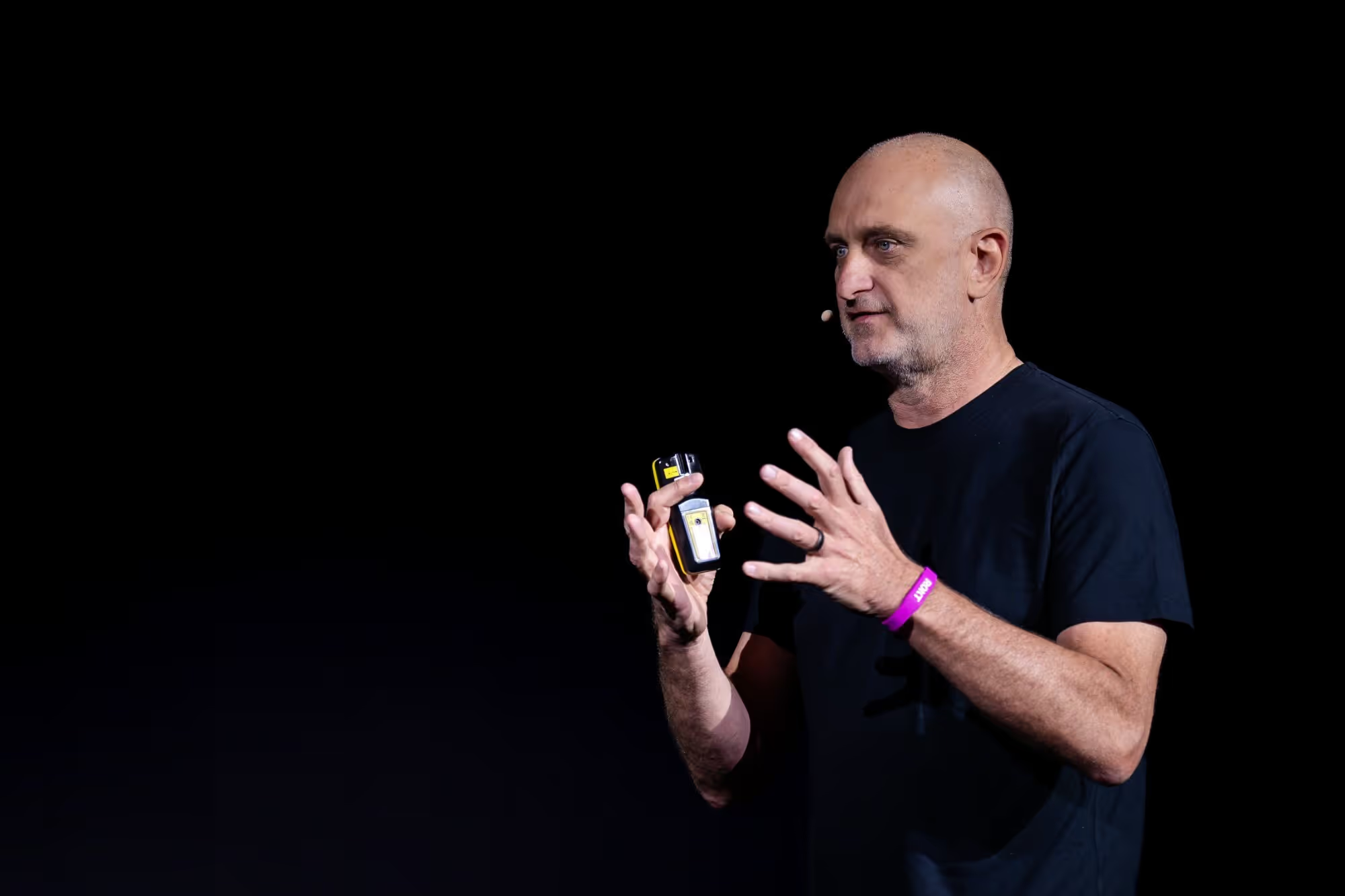
Unser CEO, Bruce Buchanan, hat beim Global Kickoff von Rokt die Entropie angesprochen, weil darin eine Herausforderung benannt wird, die mit Skalierung einhergeht. Starke Ergebnisse sind nicht mehr nur auf die Dynamik zurückzuführen. Sie entstehen durch bewusste Entscheidungen darüber, wie die Arbeit strukturiert ist, wie Entscheidungen getroffen werden und welche Standards wir konsequent einhalten.
Das ist wichtig bei Rokt, weil Präzision unsere Arbeit vorantreibt. Wir schaffen Mehrwert, indem wir jede Transaktion im Transaction Moment™ relevant machen, wenn Kunden kaufen. Um diesen Wert zu erreichen, sind klare Prioritäten, ein fundiertes Urteilsvermögen und Teams erforderlich, die auch bei unserem Wachstum an einem Strang ziehen.
Wie sich Entropie in der Praxis zeigt
Entropie kündigt sich selten an. Es tritt durch allmähliche Veränderungen auf.
Prioritäten können weniger klar werden. Teams haben Schwierigkeiten, die Entscheidungsverantwortung genau zu bestimmen. Mitarbeiter fügen Prozesse hinzu, um bestimmte Probleme zu lösen, greifen sie jedoch später nicht immer wieder auf. Die Arbeit schreitet weiter voran, aber die Ausführung kann langsamer und weniger vorhersehbar werden.
Das Problem ist auf Wachstum zurückzuführen, nicht auf Anstrengung oder Absicht. Was zählt, ist, diese Signale zu erkennen und zielgerichtet zu reagieren.
Kultur als Designwahl
Bei Rokt beginnt das Entropiemanagement damit, wie wir das Unternehmen aufbauen. Wir stellen klare Erwartungen in Bezug auf Klarheit, Eigenverantwortung und hohe Standards. Wir stellen Mitarbeiter ein, die Wert auf diszipliniertes Denken und Rechenschaftspflicht legen.
Wenn Teams wachsen, werden diese Standards durch die Art und Weise, wie wir täglich arbeiten, gestärkt. Klare Prioritäten helfen uns, uns auf das zu konzentrieren, was am wichtigsten ist. Klare Entscheidungsverantwortung unterstützt eine schnellere Ausführung. Das Schreiben schafft ein gemeinsames Verständnis, das Besprechungen überdauert und die Teams im Laufe der Zeit zusammenhält. Zusammen reduzieren diese Verfahren unnötige Komplexität und helfen uns, bei der Skalierung die Konsistenz aufrechtzuerhalten.
Führungsskalierung statt Abhängigkeit
Eine der wichtigsten Methoden, mit denen Rokt mit Entropie umgeht, ist die Art und Weise, wie Führung skaliert wird. Bruce hat bewusst herausragende Führungskräfte ausgewählt und ihnen echte Verantwortung für wichtige Geschäftsbereiche übertragen.
Dies ist eine strukturelle Entscheidung darüber, wie ein Unternehmen in seiner Größenordnung auf dem neuesten Stand bleibt, und nicht um eine Delegation aus Effizienzgründen. Wenn Führungskräfte die Strategie, Umsetzung und Entscheidungsqualität in ihrem Zuständigkeitsbereich selbst bestimmen, ist das Unternehmen nicht auf eine einzelne Person angewiesen, um gut zu funktionieren. Es hängt von einem System talentierter Menschen ab, die mit Klarheit und Autonomie arbeiten.
Das Ergebnis ist eine Führung, die darauf ausgelegt ist, sich zu verstärken, nicht darauf, sich zu konzentrieren. Jede Führungskraft übernimmt Verantwortung, die sonst zu Engpässen führen würde. Sie legen die Messlatte für ihre Teams fest, treffen Entscheidungen in der Nähe der Arbeit und stellen sicher, dass die Standards von Rokt auch dann gelten, wenn wir komplexer werden.
Dieser Ansatz bewahrt Geschwindigkeit und Klarheit und vermeidet gleichzeitig die Fragilität, die entsteht, wenn zu viele Entscheidungen von einer Person getroffen werden. Auf diese Weise bleiben die Entscheidungen immer in der Nähe der Arbeit, auch wenn sich unser Aufgabenbereich erweitert.
Mit Absicht handeln, während wir skalieren
Wachstum erhöht die Komplexität und macht Betriebsdisziplin unerlässlich. Bruce betonte, dass Bemühungen allein keinen Fortschritt garantieren. Die Ausrichtung bestimmt, ob Anstrengungen zu starken Ergebnissen führen.
Aus diesem Grund legen wir Wert auf klare Eigentumsverhältnisse. Diese Disziplinen reduzieren Reibungsverluste und helfen Teams, gute Ergebnisse zu erzielen. Sie schaffen auch Raum, um Prozesse und Tools zu entfernen, die uns nicht mehr dienen. Diese Arbeit ist fortlaufend und wird Teil der Art und Weise, wie wir Qualität und Konsistenz im Laufe der Zeit aufrechterhalten.
Aufrechterhaltung eines klaren Standards
Entropie kommt nicht plötzlich. Es wird Teil des Arbeitsalltags, wenn wir es nicht aktiv steuern.
Die Benennung von Entropie gibt uns eine gemeinsame Methode, um zu erkennen, wenn die Klarheit nachlässt, und frühzeitig darauf zu reagieren. Es unterstützt bessere Entscheidungen bei der Einstellung, Führung und Ausführung. Unser Ziel ist nachhaltige Exzellenz, nicht Wachstum allein. Das Entropiedesign trägt dazu bei, dass hohe Leistungen auch dann wiederholbar sind, wenn wir größer und komplexer werden.
Für Rokt bedeutet das, ein Unternehmen aufzubauen, das skaliert, ohne das zu verlieren, was es außergewöhnlich macht.
Da wir weiter wachsen, wird diese Arbeit nur noch wichtiger. Die Systeme, Standards und Führungsstrukturen, die wir heute entwerfen, werden definieren, wie Rokt auf der nächsten und der darauffolgenden Skalenebene abschneidet.
Erfahren Sie mehr über das Bauen bei Rokt unter rokt.com/careers.