

On the Innovation Stage at Advertising Week New York, FOX One, Haus, and Rokt took on a question many marketers are weighing right now: As AI moves from optimizing campaigns to helping make media decisions, what evidence should guide it?
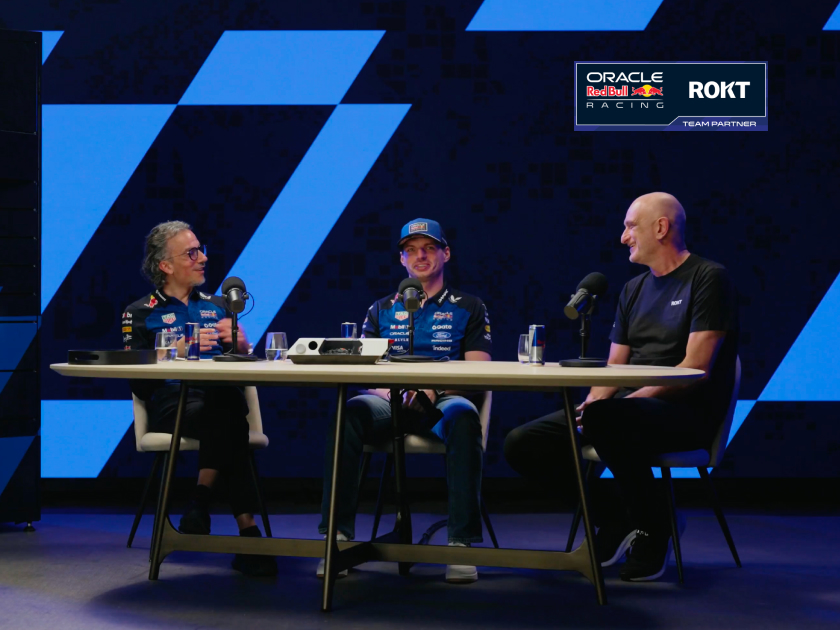
The panel brought together Annie Leanse, who leads subscriber acquisition marketing at FOX One, Olivia Kory, chief marketing and strategy officer at Haus, and Jon Humphrey, who leads the advertising business at Rokt. James Hercher at AdExchanger, moderated.
The conversation kept returning to a gap all three panelists see in the market: Most teams are running AI on top of attribution data that doesn’t tell them whether their media caused the outcomes they’re measuring. Before AI can make better decisions, the measurement underneath it has to be trustworthy. FOX One’s first year shows what that takes.
FOX One started with no data
Building that foundation starts with patience. FOX One, FOX’s streaming service, launched just over a year ago with no history to measure against. By the World Cup this summer, FOX One and Haus had enough data to measure incrementality channel by channel. The biggest shift, Annie said, was learning to slow down.
You have to slow down, let the experiments run, and really use the data and those learnings to make any shifts. Because over-correcting too early is where it gets dangerous.
- Annie Leanse, FOX One
That patience is what lets a team move from attribution, which shows where a conversion landed, to incrementality, which shows whether the media made it happen. As Olivia pointed out, though, getting the right answer is only half the work.
Measurement only pays off when you act on it
Olivia sees teams stall once results arrive, especially when they contradict years of attribution reports.
Measurement for measurement’s sake does not add value to an organization. You actually need to action on those results, and that’s how you drive business outcomes.
- Olivia Kory, Haus
To close that gap, Haus now surfaces recommendations through its new product, Architect, which FOX One is piloting. It answers one question: “What is the next best action I can take to make more money for my business today?” Sometimes that means “move this much budget into Rokt.” For a recommendation like that to stick, advertisers have to trust where the evidence came from.
Independent measurement helps the best channel win
That trust, Jon argued, depends on the channel not grading its own results. It’s why he believes media channels should welcome independent testing.
Advertising is a bit of may the best channel win, right? There’s so many places that advertisers can place money. I can only grade my own homework so much.
- Jon Humphrey, Rokt
Third-party results also helped Rokt articulate what it is: in Jon’s words, “a lower funnel, highly incremental channel.” And when results disappoint, he said, “the way not to respond is to get really annoyed and push measurement providers away.” Olivia agreed, noting brands often start a new channel test at a 1 incremental ROAS and optimize their way to a 4 by year-end. Evidence that advertisers trust is what makes it possible to hand more decisions to AI, but the panel was clear that evidence needs judgment alongside it.
AI needs context and judgment
Jon described measurement as “truth-seeking,” and said the best marketers pair it with instinct. “The ones that only measure things and only believe what the measurement says will probably actually get themselves tripped up. The inverse is also true.”
That balance gets harder when timing is tight, and that’s where Annie sees AI helping most. When a game goes to extra innings or news breaks, “the human aspect of seeing the signal and then responding is too slow right now.” Olivia sees AI closing that gap by reconciling experiments, media mix models, and attribution, but only with the right inputs: guardrails for priorities that won’t move, business context like promotions and content slates, and clear explanations for every recommendation.
Every dollar working harder
When trusted measurement, human judgment, and AI work together, Annie expects the results to show up in efficiency.
“If we’re actually lowering our investment year over year but seeing the same outcomes, then that’s how I know I’m putting my money in the right places.
- Annie Leanse, FOX One
For marketers, the takeaway is practical: Build an incrementality habit now, act on what it tells you, and favor channels that welcome independent testing. That’s the foundation the decision engine for agentic marketing will run on.