Et si les publicités de commerce électronique n'avaient pas besoin d'être interrompues pour fonctionner ?
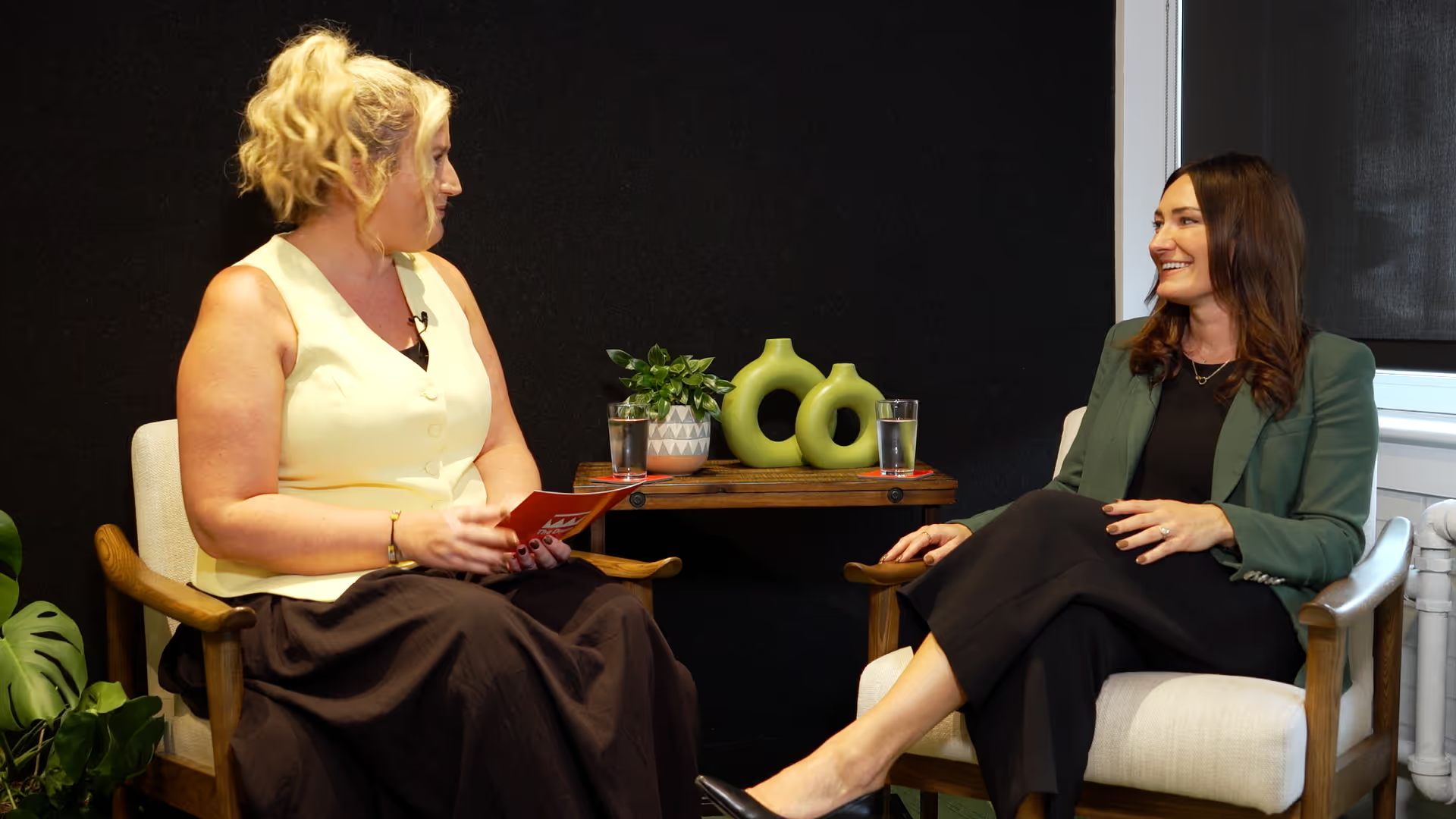
C'était la question centrale d'une conversation entre Jenni Baker de The Drum et Ashley Firmstone, vice-présidente de Rokt, à l'occasion de la Advertising Week de New York. Dans le cadre de la série « Media That Moves » de The Drum, les deux hommes ont exploré comment l'évolution des attentes des consommateurs redéfinit le commerce électronique et ce que les entreprises doivent faire pour suivre le rythme.
Nous constatons que les consommateurs veulent des expériences plus pertinentes et plus fluides dans la manière dont ils interagissent en ligne », a déclaré Firmstone. « La question qui se pose aux annonceurs est la suivante : comment attirer le bon client au bon moment, sans perturber son parcours ?
Il s'agit d'un changement de mentalité que de plus en plus de marques adoptent, et Rokt joue un rôle de premier plan en débloquant le Transaction Moment™ en tant que canal média performant basé sur la pertinence en temps réel, et non sur le bruit.
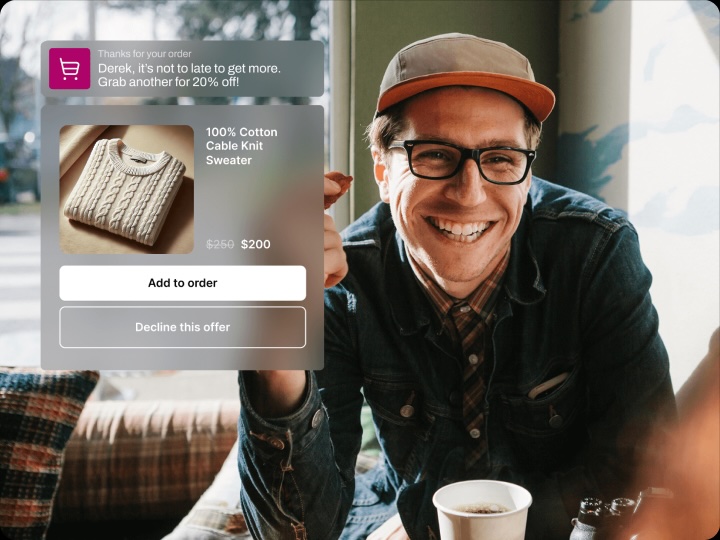
La disruption est depuis longtemps une solution de repli en matière de publicité numérique. Mais comme l'a clairement indiqué Firmstone, les expériences interruptives ont un coût : « Nous constatons souvent un impact négatif lorsque les publicités perturbent l'activité. Cela nuit aux performances en aval. » Rokt veille plutôt à ce que les marques apparaissent avec intention, en intégrant les offres directement dans le flux de paiement, là où elles ont du sens et apportent de la valeur ajoutée. Cela ressemble moins à une publicité qu'à une partie du voyage. C'est ce qui favorise un engagement plus fort, une conversion accrue et une confiance plus profonde.
La confiance n'est pas un indicateur souple, c'est un moteur de performance. Dans un écosystème médiatique surpeuplé, le réseau fermé de Rokt assure transparence, contrôle et sécurité aux entreprises et à leurs clients. Les marques savent exactement où apparaissent leurs publicités et quelles sont leurs performances. Les clients gardent le contrôle en optant pour des expériences qui accordent la priorité à la pertinence et à la confidentialité.
La manière dont les données sont utilisées est intentionnelle », a déclaré Firmstone. « Le client final est toujours au centre de chaque décision.
À mesure que le commerce électronique évolue, l'objectif est d'éliminer complètement les frictions. « La prochaine évolution consistera à supprimer les obstacles », explique Firmstone. « Nous voulons que le paiement se fasse sans effort ». Cette vision inclut des innovations telles que des blocs d'annonces achetables et des entonnoirs de conversion intégrés, des solutions qui permettent d'atteindre le client là où il se trouve, sans lui demander de zigzaguer d'une autre plateforme. « Il s'agit de rendre l'expérience fluide », a-t-elle déclaré. « Ainsi, le consommateur passe en seul un mouvement ».
L'avenir de la publicité en ligne n'est pas plus prometteur. C'est plus intelligent. Plus pertinent. Enraciné dans la confiance. Comme l'a souligné Firmstone, lorsque les marques apparaissent au moment le plus important, et le font avec précision, elles génèrent des performances qui parlent d'elles-mêmes.
Hello, and welcome to media moves, a series coming to you from advertising week in New York. I'm Jenny Baker, senior editor at The Drum, and I'm delighted to be joined by Ashley Firmstone, who is senior vice president at Rokt. Welcome. Thank you. Now, obviously, ecommerce is one of the fastest moving areas of media right now. So from your perspective, what's driving growth in this in this area, and where does Rokt ads fit into that? Yeah. It's a great question. I think, really, it's driven by the consumer. And what we're seeing in consumer behavior is they're wanting more relevant, seamless experiences in how they interact online. And so I think that's what's driving ecommerce sites to want to invest in how do they deliver that online. And then for advertisers, the landscape is just so crowded today. It's how do you get cut through and get your offer in front of a customer when intent is high. So I think those two factors are creating this nice new channel to help diversify how do you get access to the right customer at the right point in time. Yeah. And it's such a good point. I thought it'd so crowded. Like Yes. And this is such a big, like, massive thing this year at at advertising week particularly. So what's one misconception about ecommerce advertising that Rokt is helping to change? I think most people assume that advertising needs to feel disruptive to gain attention, and Rokt actually takes the opposite approach. We really like offers to feel organic and native, like I said, to that customer experience and make it feel very fluid. So when we're serving offers on ecommerce websites, we make it look and feel almost like a continuation of the checkout journey. So it feels very natural to continue through that flow. We actually often see that there's a negative impact when you're very disruptive to that, and it drives poor downstream performance because it's really just about driving attention, not necessarily true relevant outcomes for the advertiser. But obviously trust is so important Of course. In all of this. So how does Rokt's closed network ensure sort of like data transparency, brand safety, and things like that? Yep. For us, trust is like a cornerstone for everything that we do. So we bring that to the experience for the end customer. We make sure that they are at the center of decisioning on what we're serving to them, and they know exactly what they're opting into and know that their data is being used in a privacy driven way. And then for our relationships with our partners and advertisers, we give them full control and transparency in not only where their ads are showing, but also the data and performance on their end. So they always know exactly what's happening with Rokt. It is a closed ecosystem, which is very different to programmatic. You're not really sure where your ad is gonna show. Our ads and offers are always serving with real customers that are transacting online. So it's a very safe environment when brands are investing with us. Yeah. No. Absolutely. And that is quite important. And, obviously, I've got to touch on AI because Who who would it? Yeah. Exactly. But, you know, that I guess, like contrary to what you were saying, you know, is that it's actually can be seen as quite intrusive potentially. So I I guess sort of how what are you guys doing to sort of make relevance feel valuable to customers instead of overwhelming them? Yep. I think AI could be used as intrusive, but if you're underpinning that with trust is to the last question, it you know, everything that we're deciding to serve in front of a consumer, we wanna make sure that it does feel relevant and it's added to the experience. And part of what we're doing is not just serving offers to drive clicks or engagement. We're actually tying that to downstream outcomes. So when we're working with brands, we're deciding, okay. Ashley's opting into this offer. We know that she's likely gonna find value and convert and bringing that to what we're serving up front. And so using the loop with our brands is allowing us to drive something that is adding true relevant offers to the consumer experience and adding value to the end customer, and that's what's really driving the performance of it. I guess then if we look ahead to the kind of future of ecommerce advertising, what what's maybe one big shift that you we can maybe expect to see in the next twelve months, say? Who can predict what's gonna promise in these days? But I do think we will continue to see its shift in in the power of the consumer, and I do think we will start to see shopping online become more dynamic and organic based on a consumer's preferences. One of the things that we're thinking about at Rokt is how do we bring conversion funnels forward as well to just make the experience very seamless for the consumer and remove all of the friction points that you're experiencing. So things like how do you create shoppable ad units in those moments and really so the consumer is flowing through the ecommerce checkout experience in one solid motion. I think that that's where we're gonna see more activity happening, and I'm excited for what's coming in that way. Indeed. Well, thank you so much, Ashley, for the great insights, and thank you so much for watching. You can catch more from our media that moves series over on the Drum TV.